
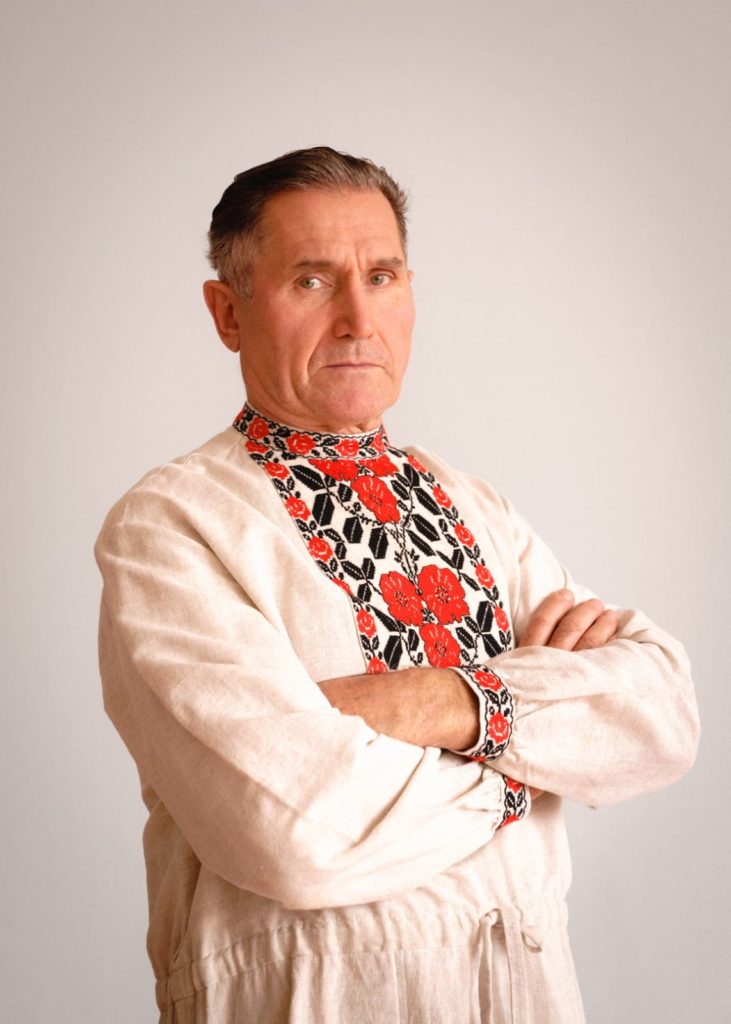
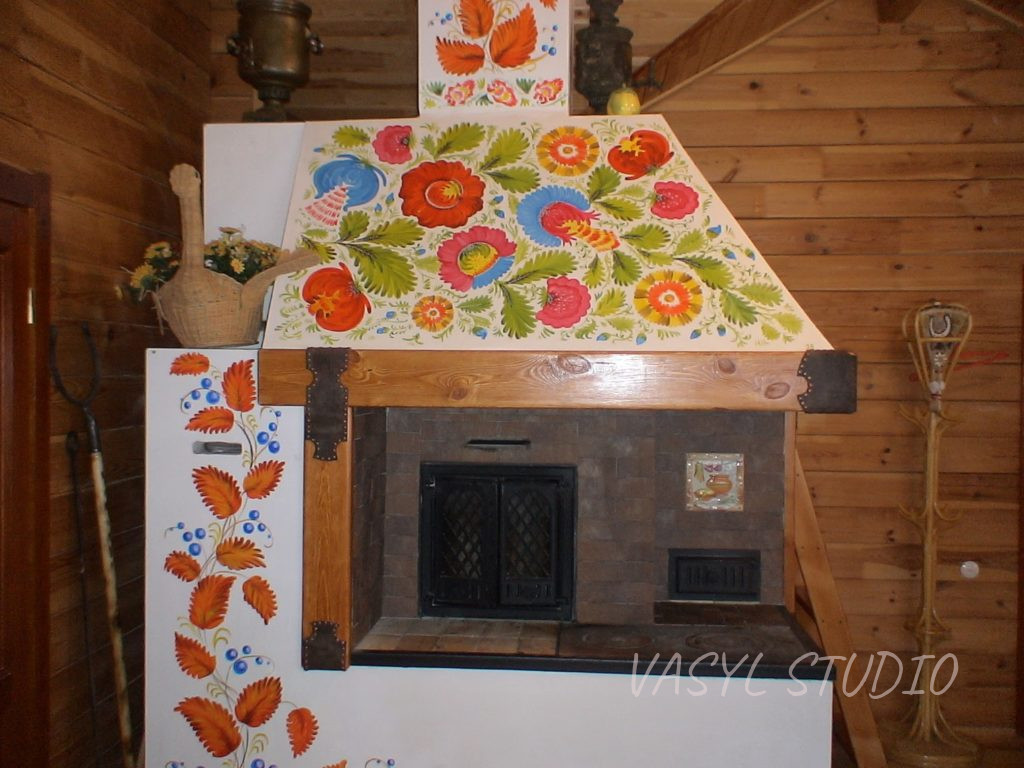
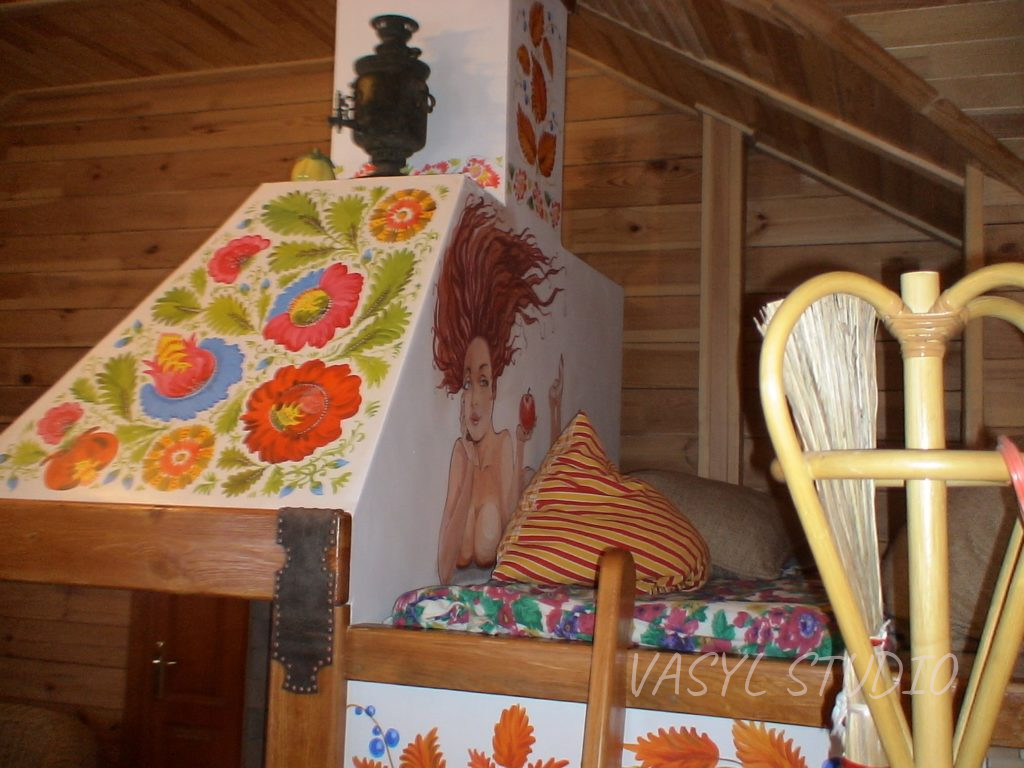
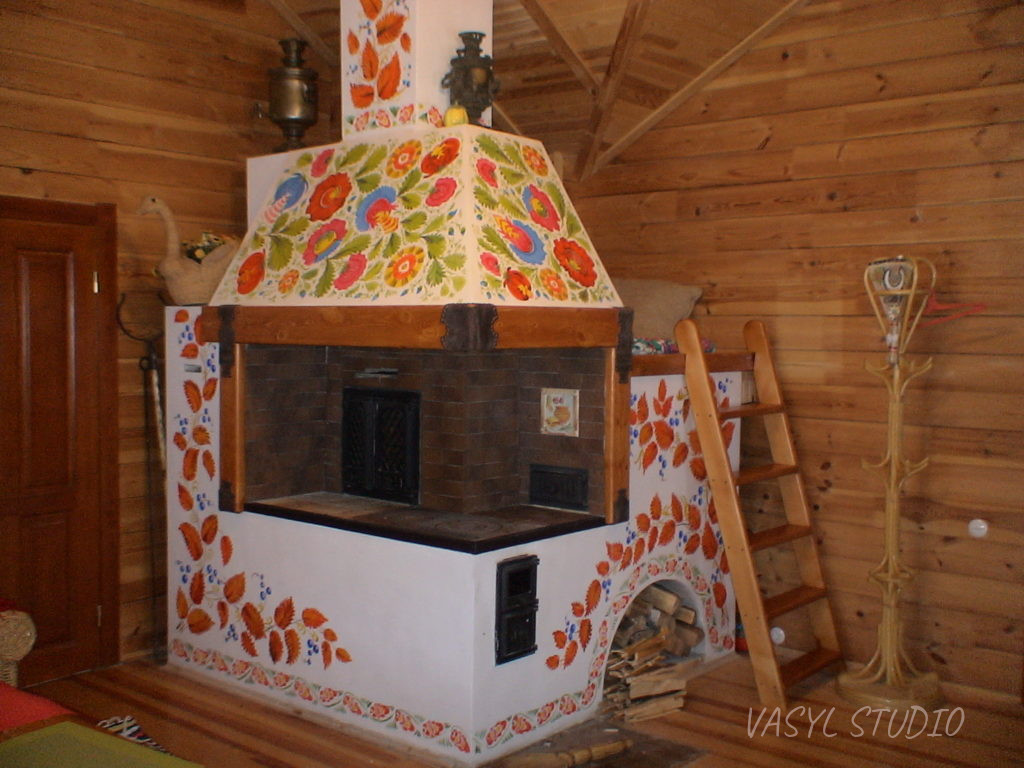
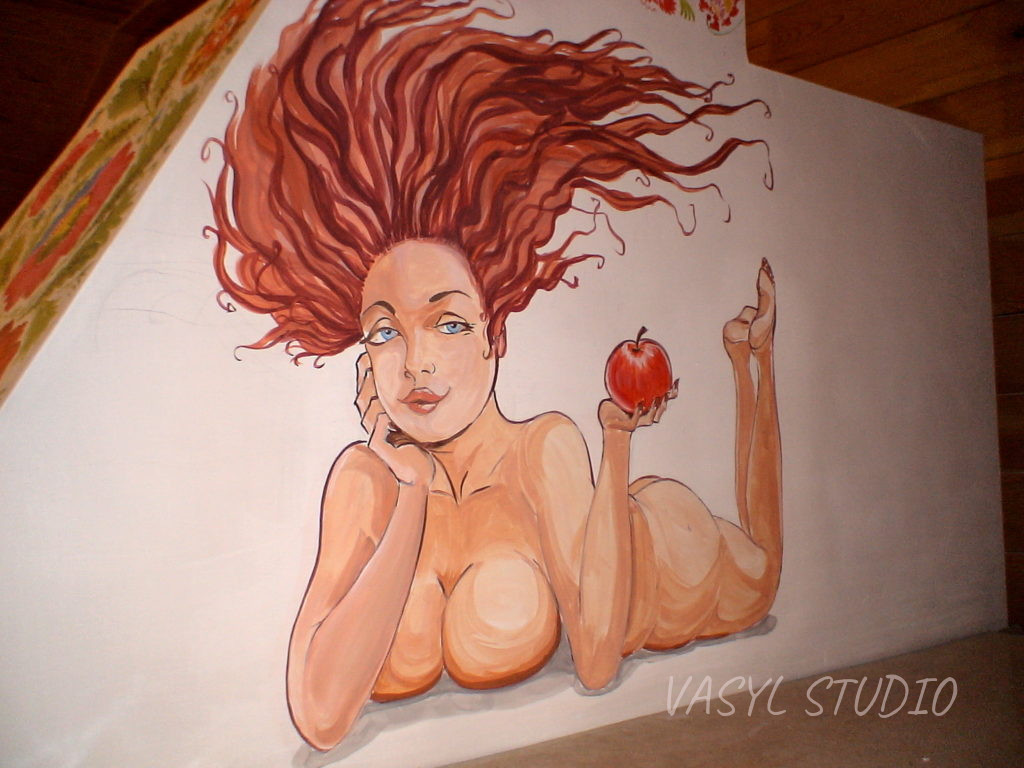
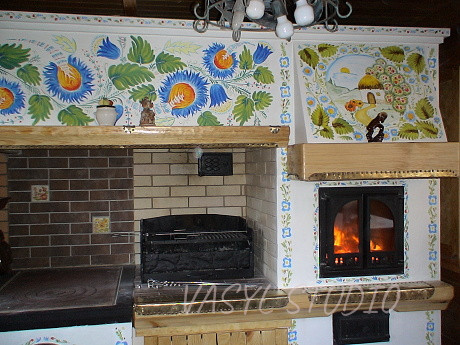
I received my artistic education in 1986. After that, I worked as a decorative artist, and ever since, the desire to unite craftsmanship and art has become a natural part of my profession.
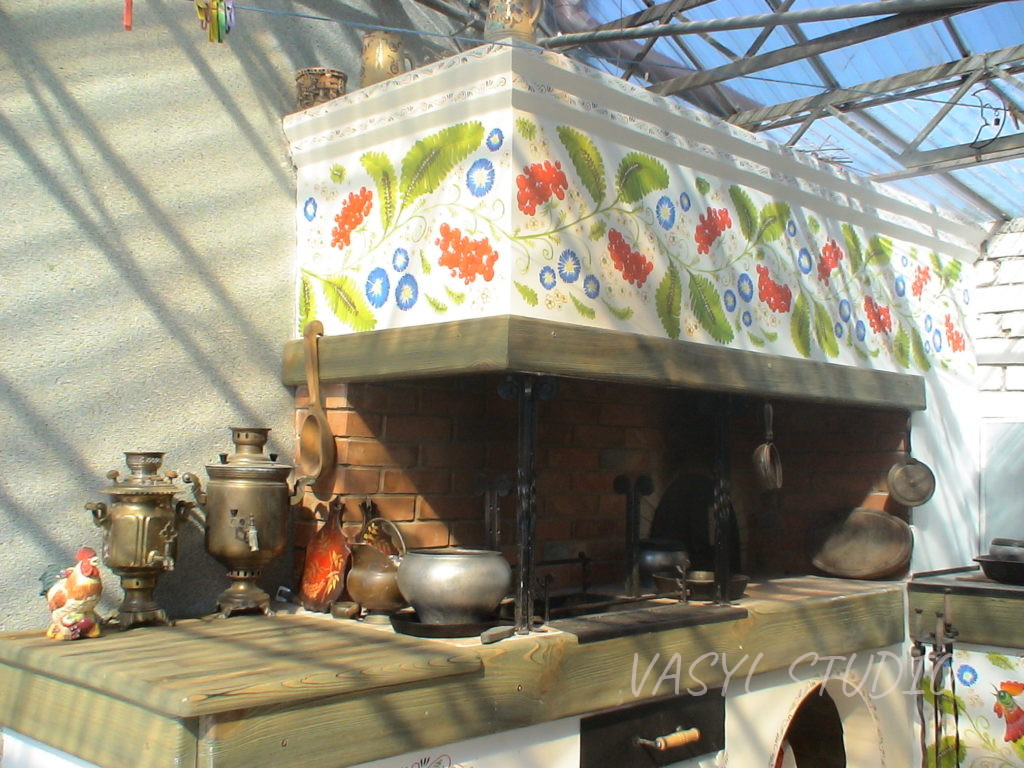
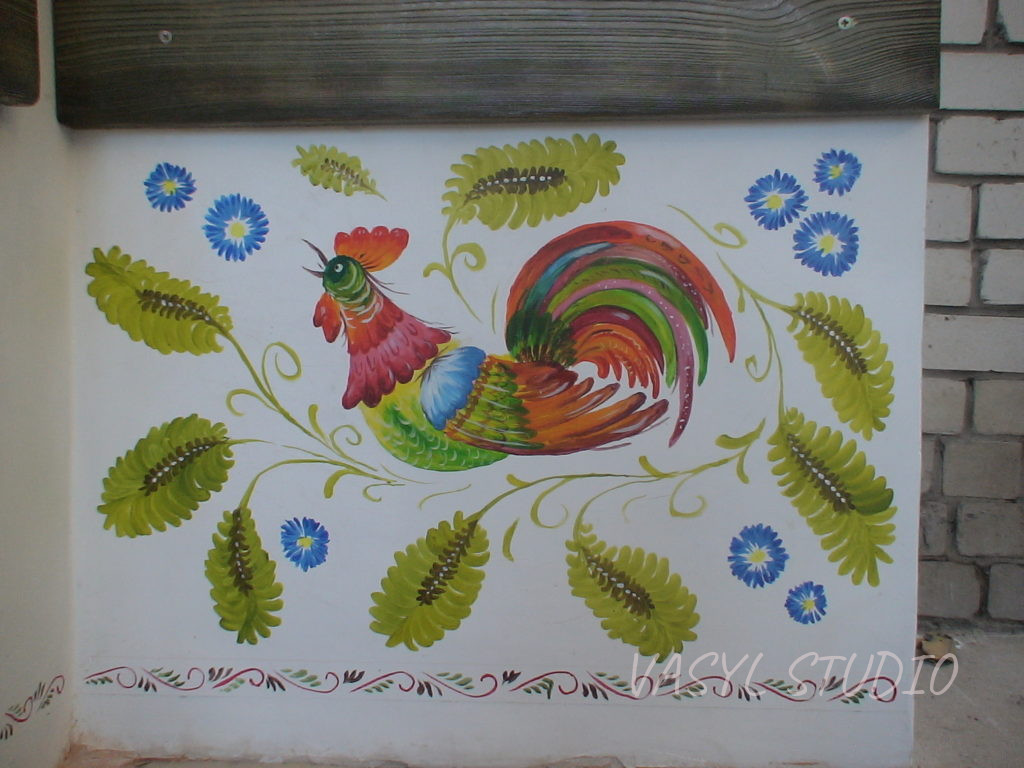
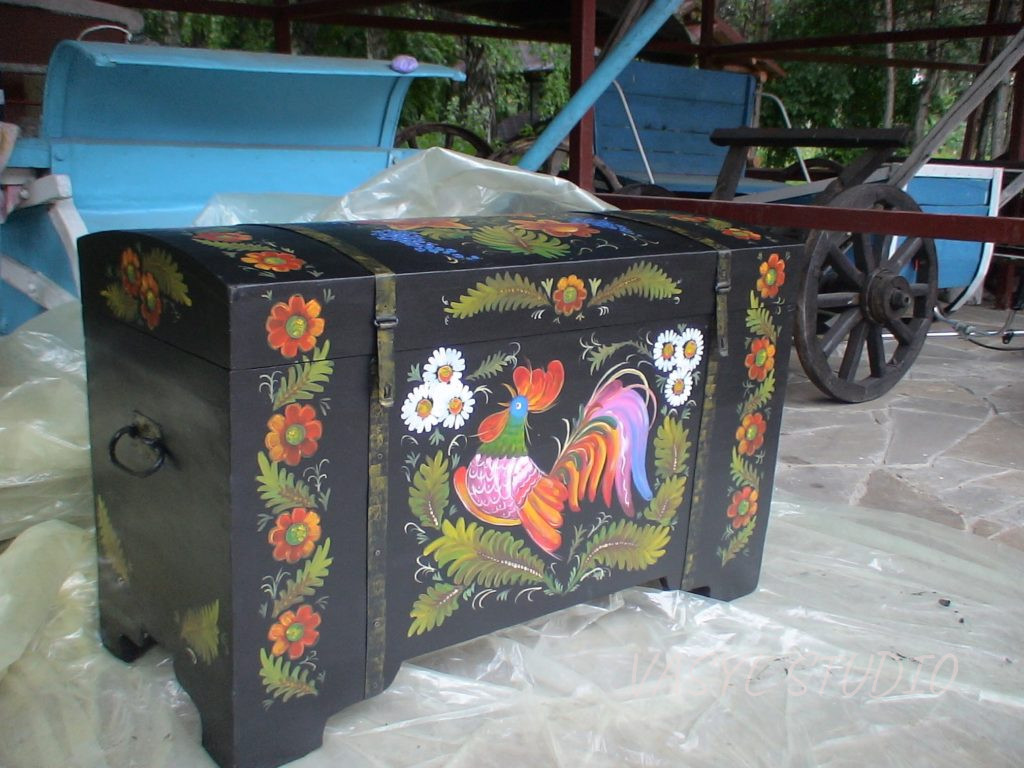
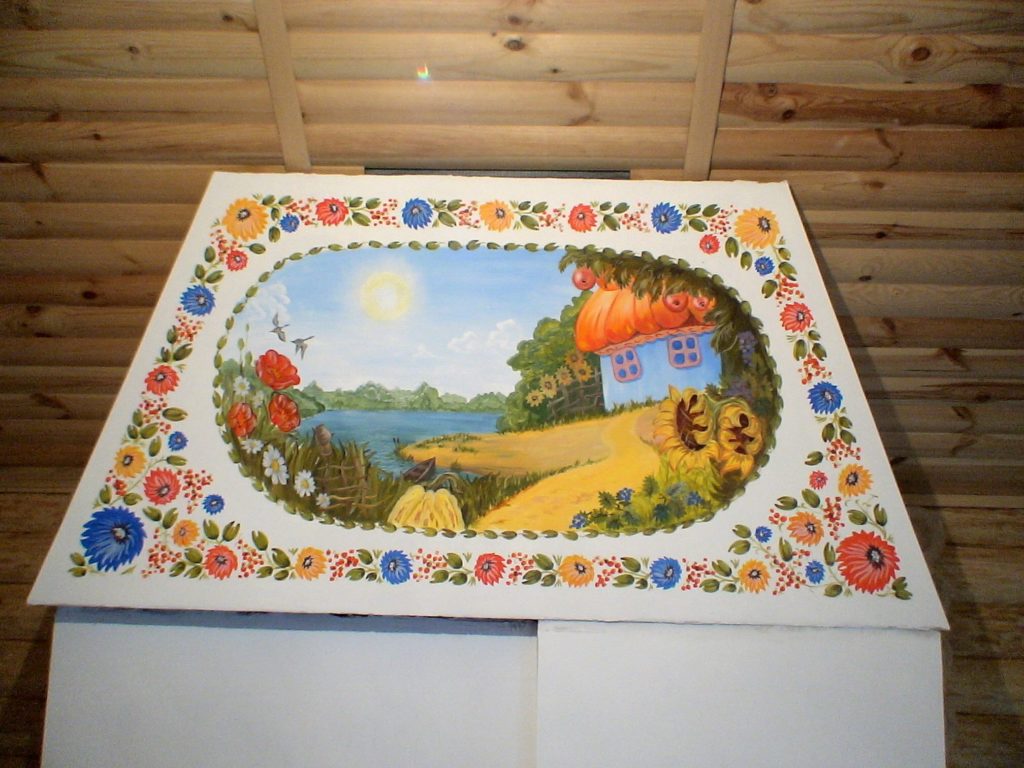
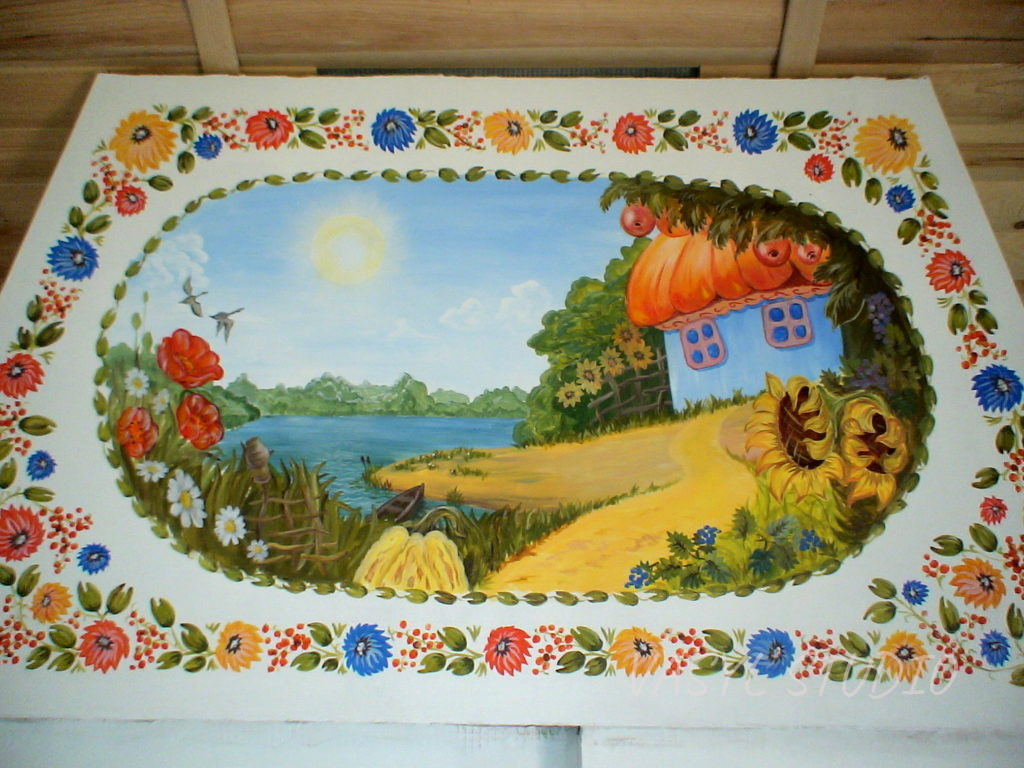
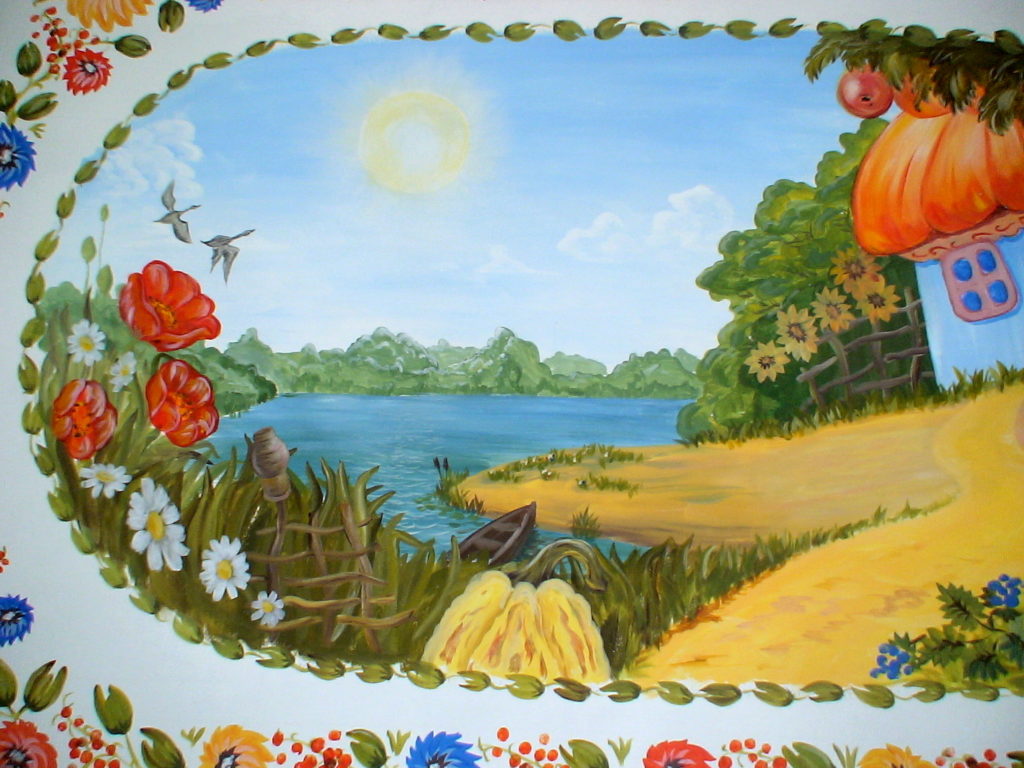
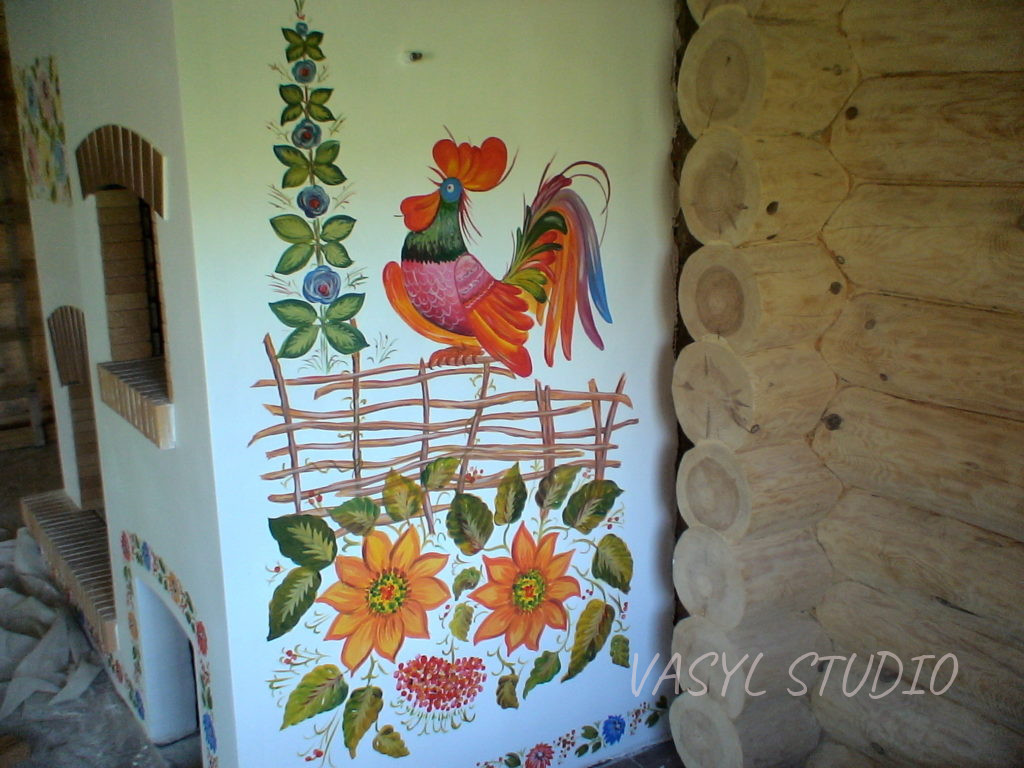
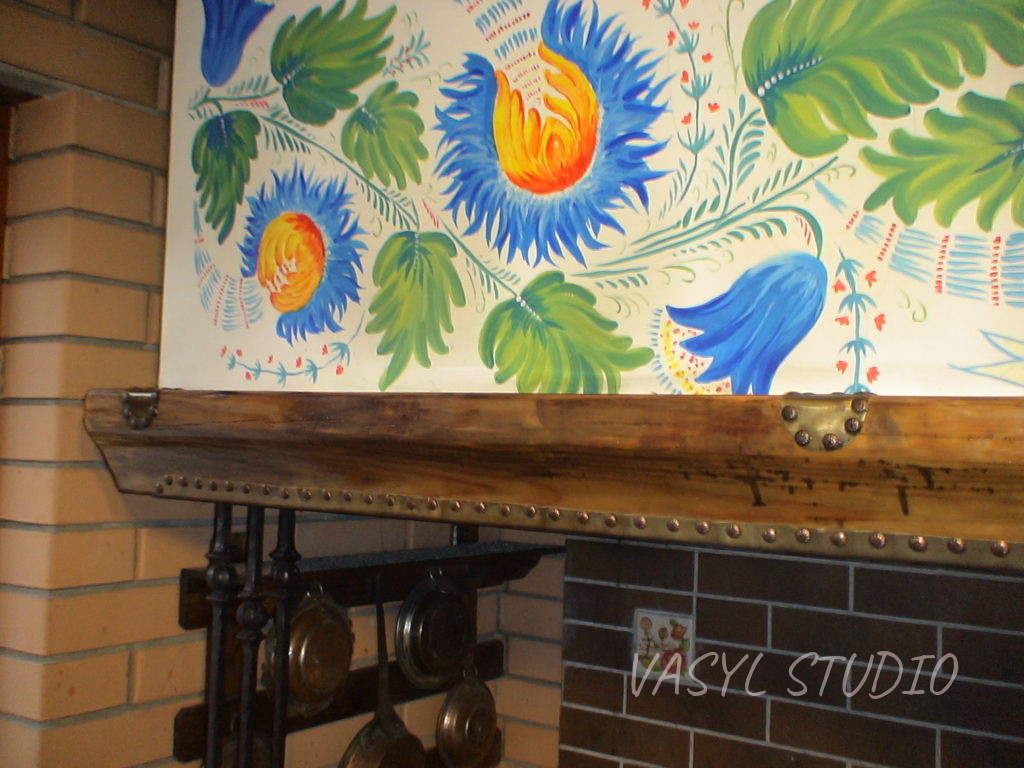
Petrykivka painting has always held a special place in my heart. It is not merely a decorative style — it is part of the culture of my homeland, its mood, its character, and its living soul. I have always been drawn to its brightness, its richness of color, and the remarkable freedom of its forms. In these fantastic flowers, leaves, and ornaments, there lives a unique sense of beauty born from the people themselves — sincere, warm, and deeply rooted in the soul.
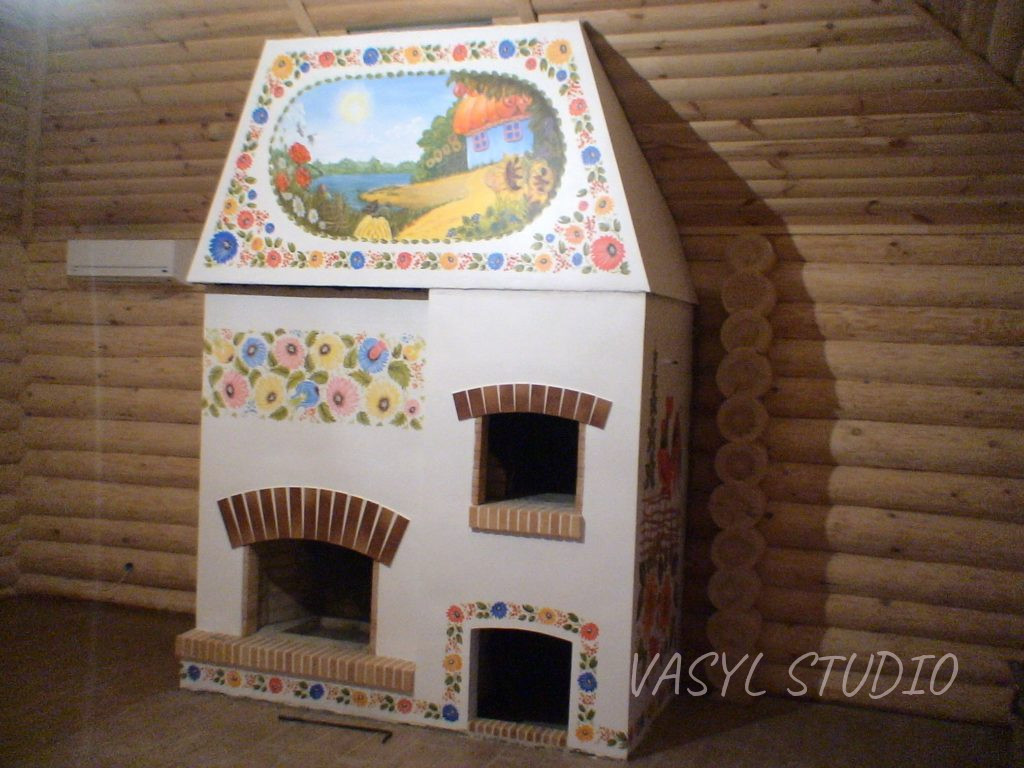
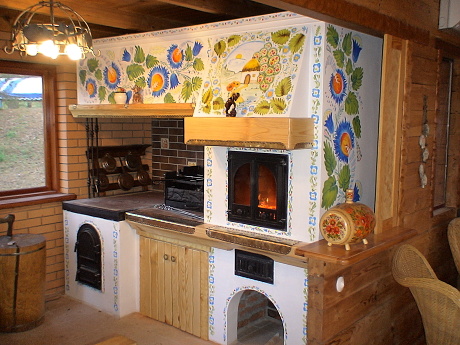
The painting of a stove begins with careful surface preparation. First, the surface is filled and primed. Depending on the task and the base material, different fillers may be used. The first step is a deep-penetrating primer. After that, the surface is coated either with a special artist’s primer or with white water-based paint to create a suitable base for the decorative painting.
For my work, I use acrylic paints. Traditional Petrykivka painting was usually done with gouache mixed with egg white, but for stove finishing, acrylic is far more practical. This is especially important where the surface is exposed to elevated temperatures. Under proper conditions of use, acrylic paints generally perform well and can withstand temperatures of up to about 80°C.
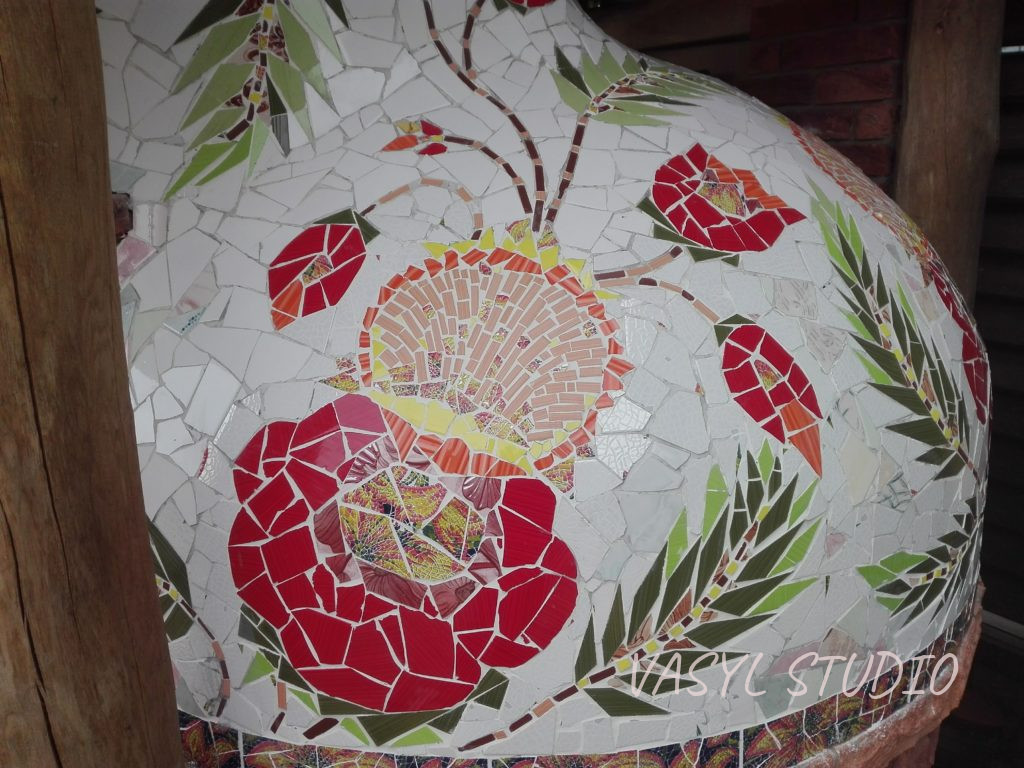
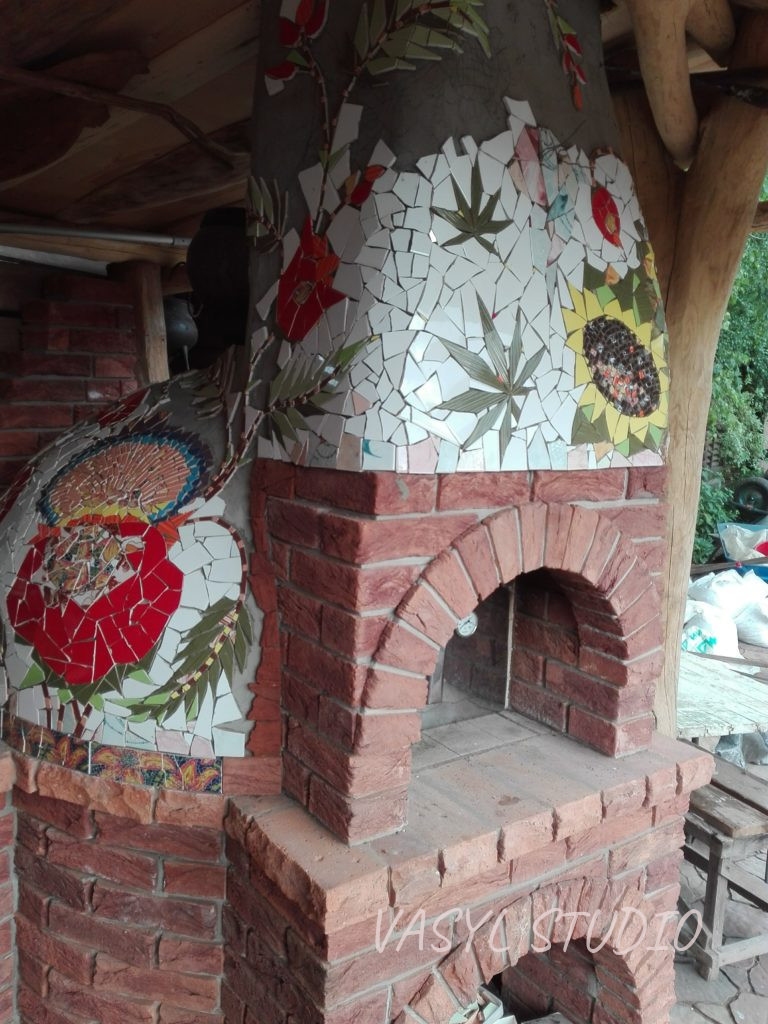
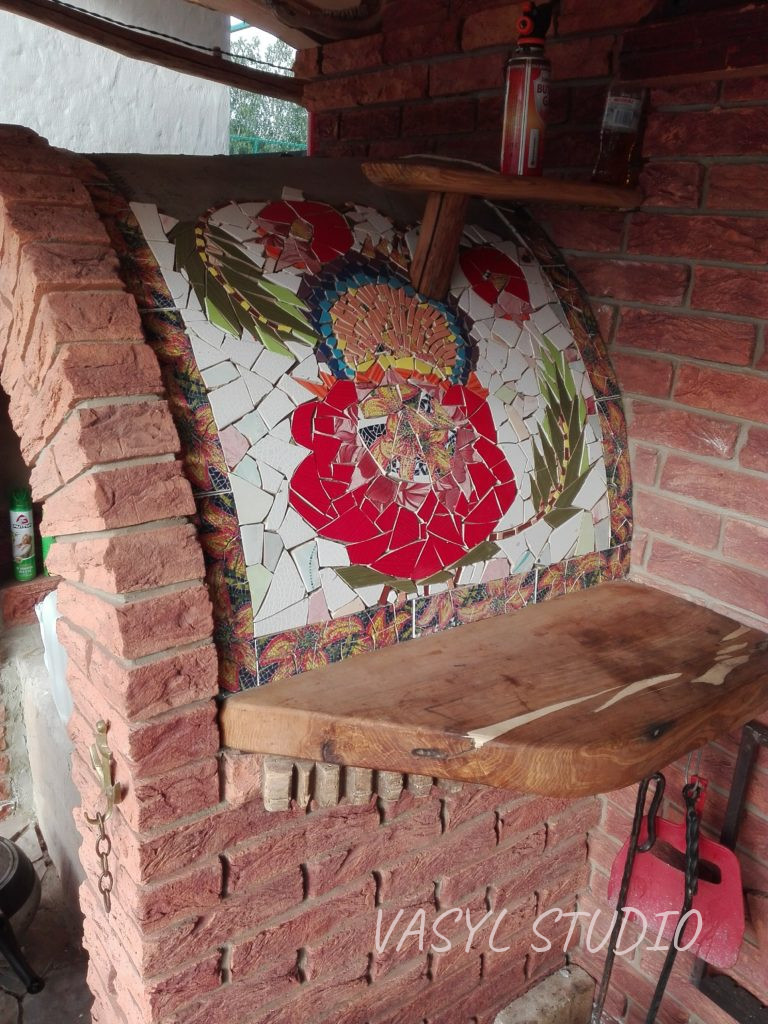
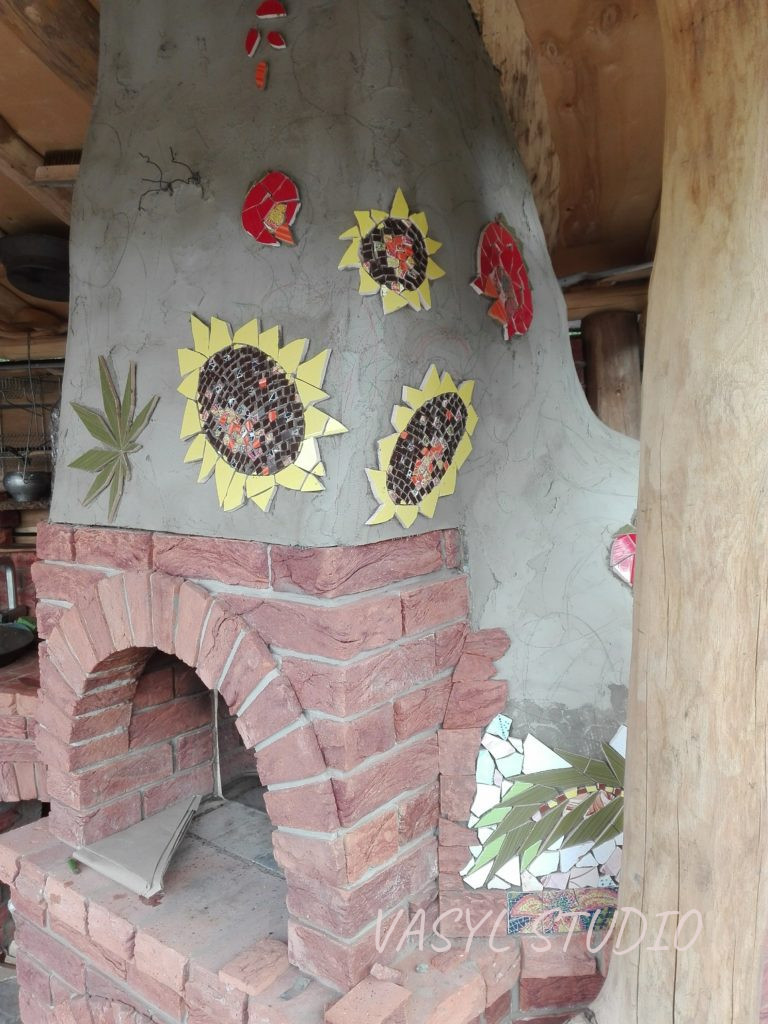
Mosaic decoration also requires a carefully prepared surface. The mosaic is applied using special adhesives designed for stoves and fireplaces. Their essential quality is the combination of heat resistance and slight elasticity, which is necessary under changing thermal conditions.
For me, this work is more than decorative finishing alone. It is a way to give a stove character, imagery, and atmosphere — to make it not only a source of warmth, but also a living artistic centerpiece of the space.