
Khutorskyi Complex
The Khutorskyi Complex is located in the village of Koropovy Khutora, on the picturesque bank of the Siverskyi Donets River in eastern Ukraine. This area has long been known for its natural beauty, rich fishing waters, ancient oak forests, and numerous lakes and backwaters where, for centuries, fish, game, and wild birds were abundant. The name of the village is closely connected with this landscape, its character, and its traditional way of life.
Koropovy Khutora is known not only for its natural setting, but also for its Cossack heritage. Here, on Cossack Hill—an elevation with a beautiful view over the surrounding forests—the St. Nicholas Monastery was once built by the Cossacks and became one of the local sacred places. Later, the monastery was destroyed during the suppression of the Cossacks. Today, a new church stands near its ruins, and I was fortunate to contribute to this place as well by creating a heating stove for the church.
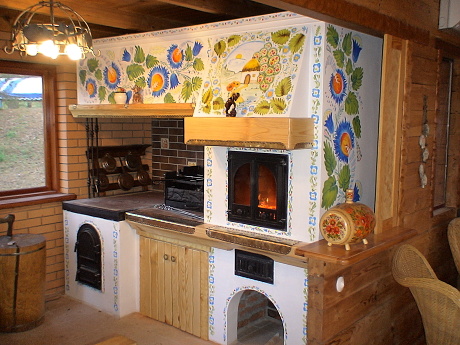
For generations, this area has attracted people as a place of rest, recreation, and closeness to nature. Holiday resorts, guest houses, and recreation facilities were built here. After the collapse of the Soviet Union, many of these properties were leased by entrepreneurs, restored, and in some cases rebuilt almost entirely from scratch. At the same time, the local hospitality infrastructure began to develop further: restaurants, recreational complexes, and spaces with a strong national identity appeared. One such example is the restaurant “Piana Khata”, designed in a distinctive Ukrainian style, for which I also created a stove complex.
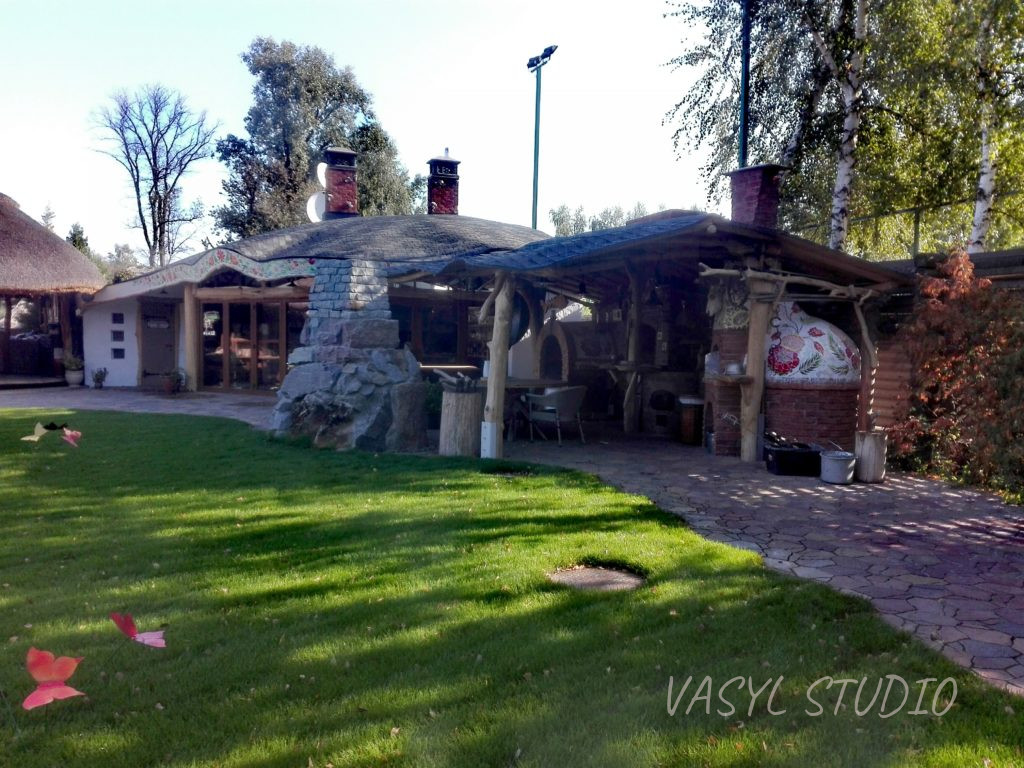
It was in this very atmosphere that the Khutorskyi Complex was created. It was built on the grounds of a recreation base that is known not only as a holiday destination, but also as a venue for beach volleyball competitions, including international-level events. In 2020, a qualifying stage of the Beach Volleyball World Championship took place here. This location brings together leisure, sport, nature, and a lively social atmosphere, and therefore required a stove complex that would be not only visually striking, but also truly functional.
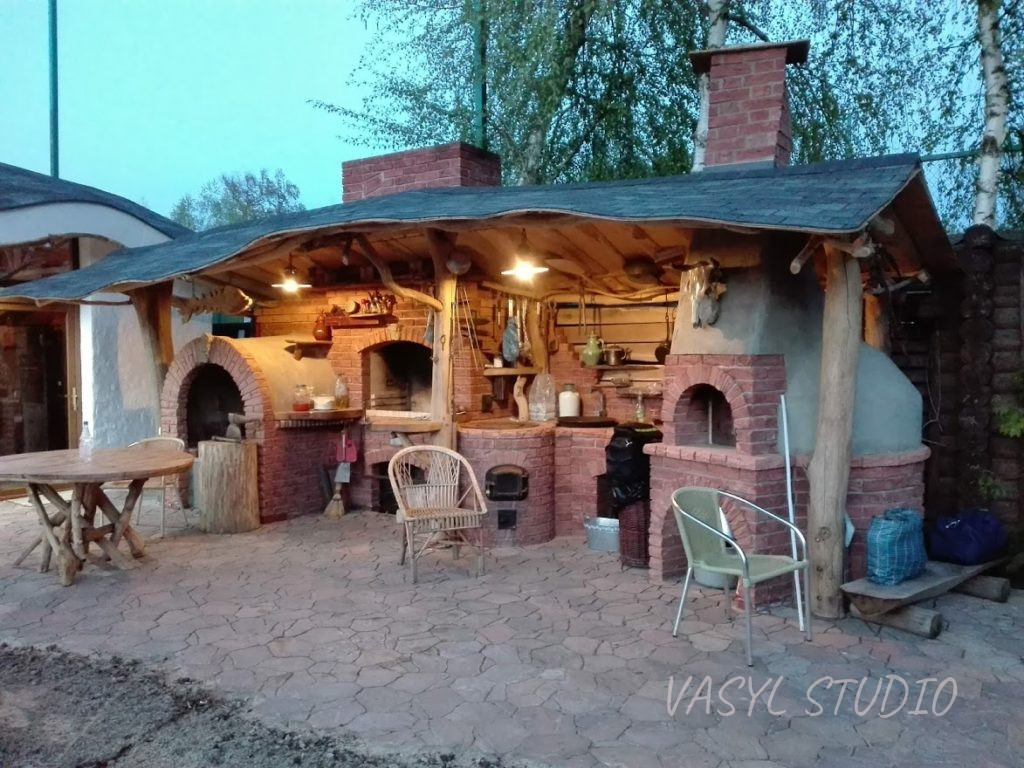
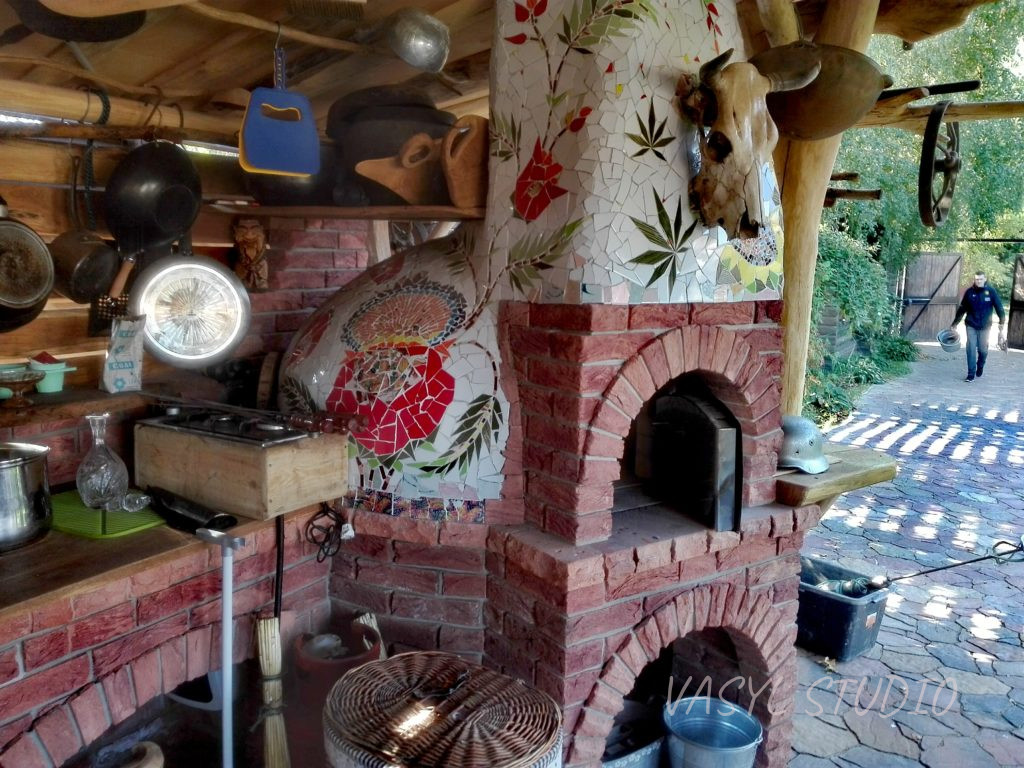
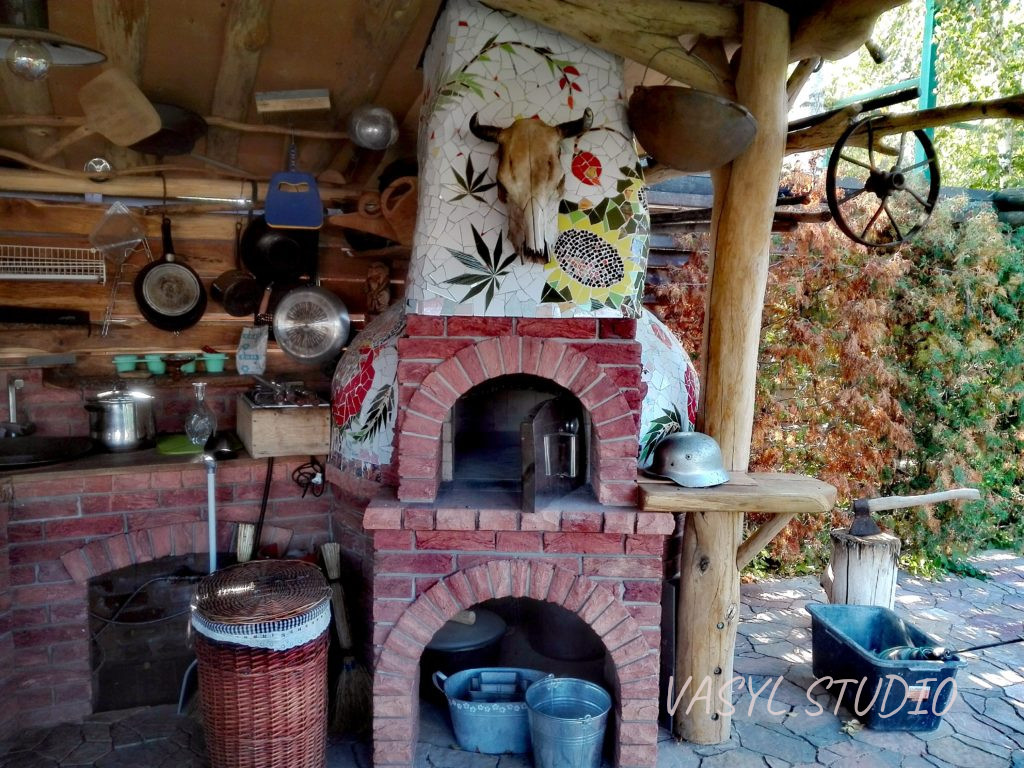
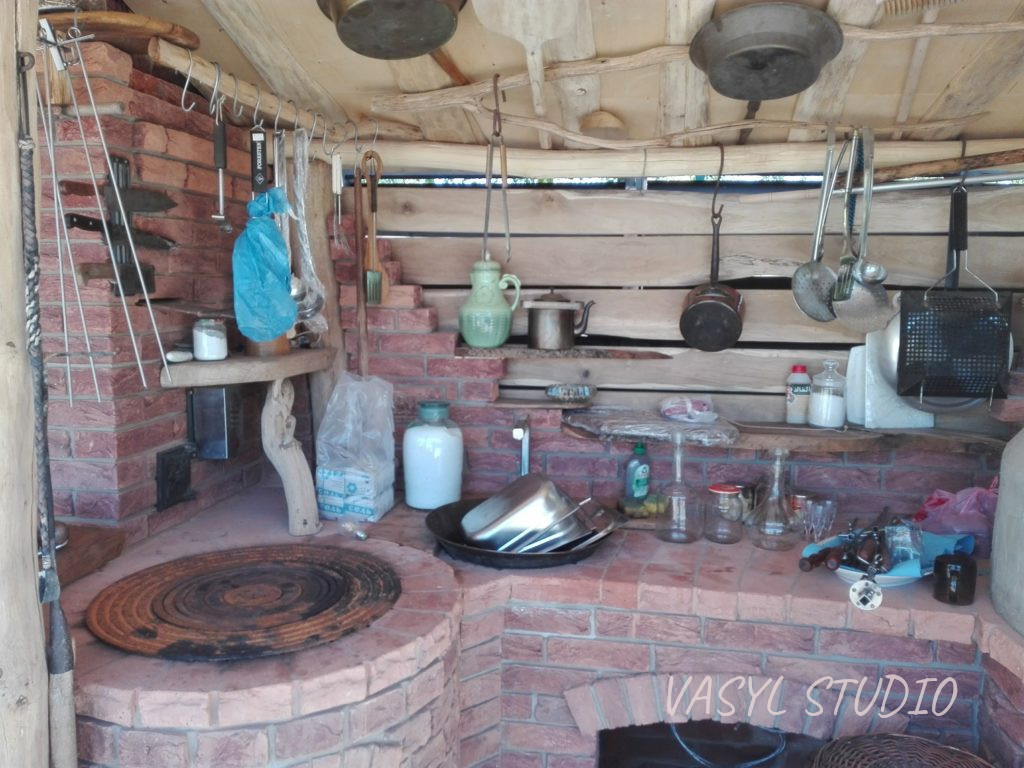
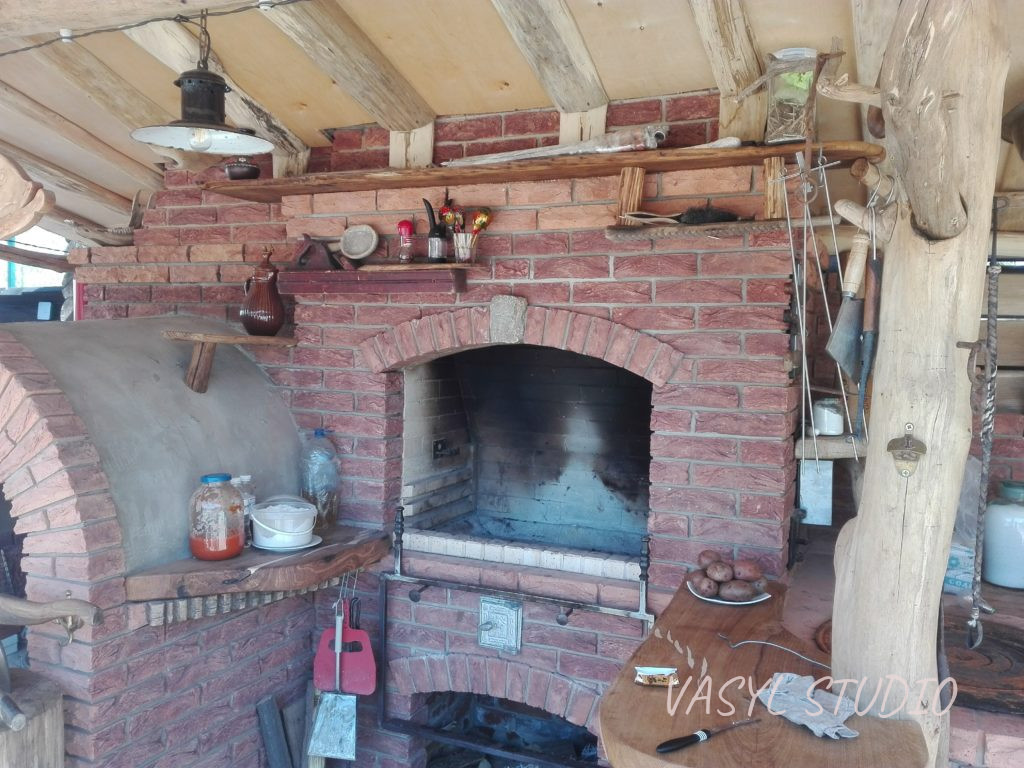
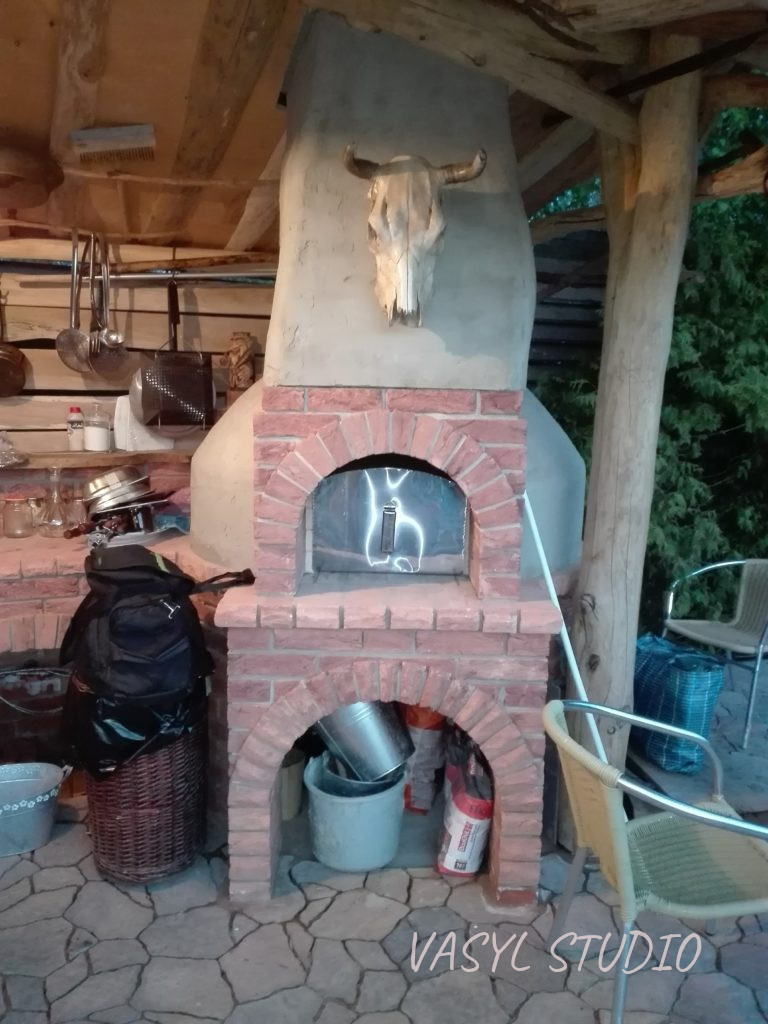
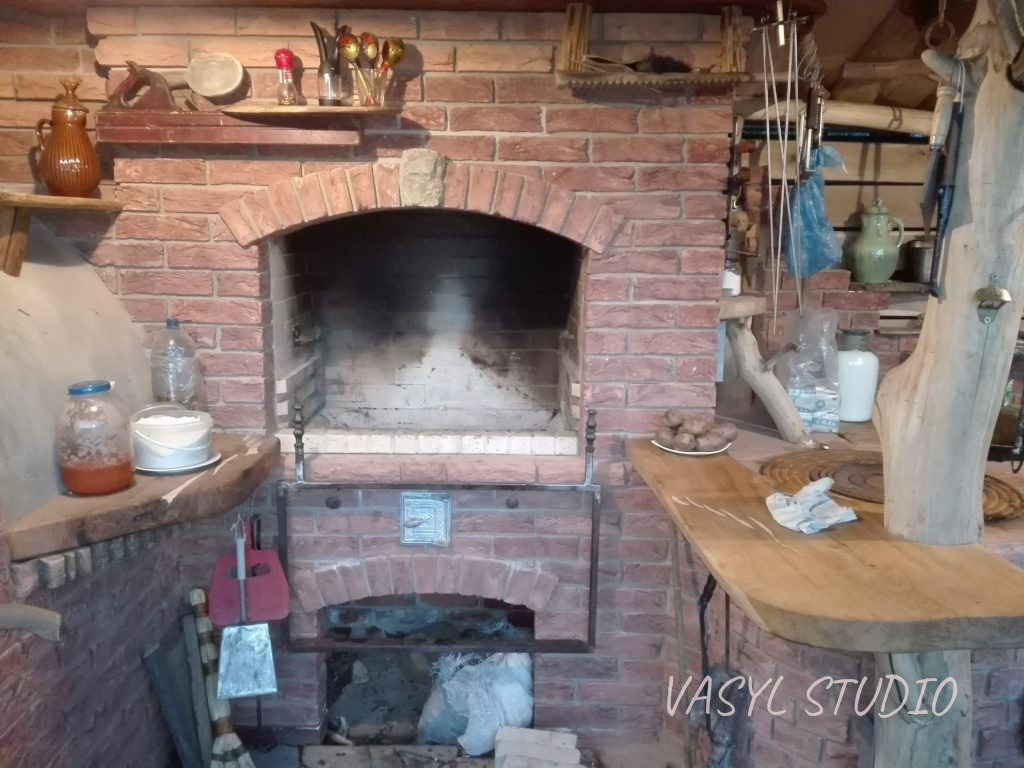
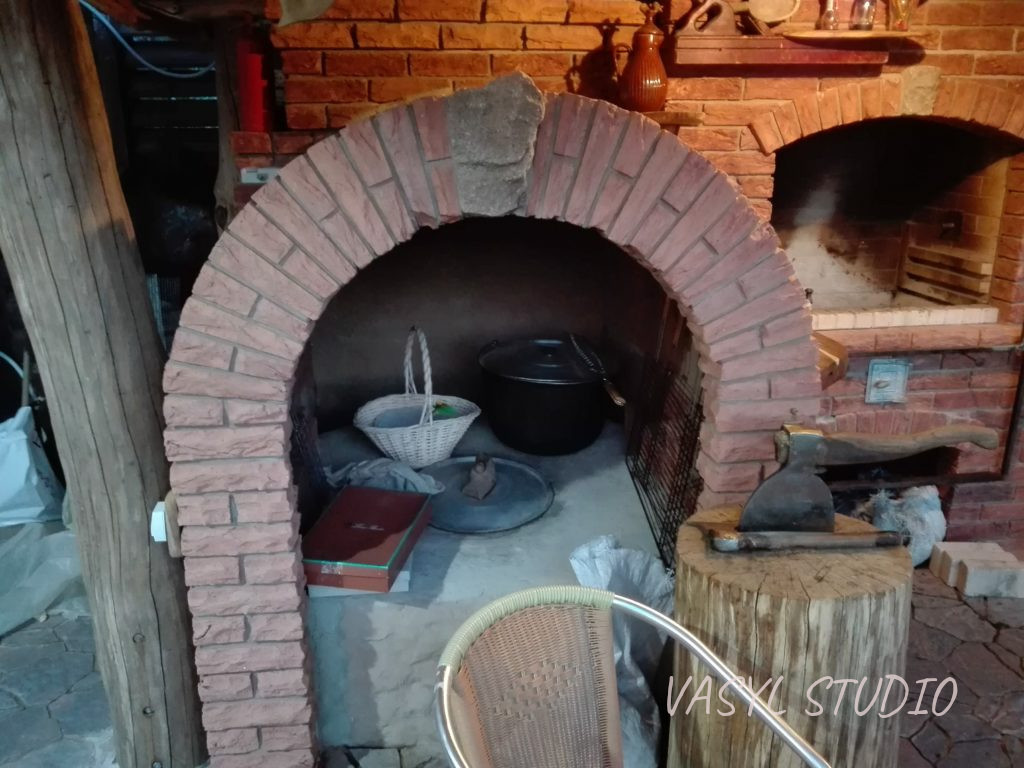
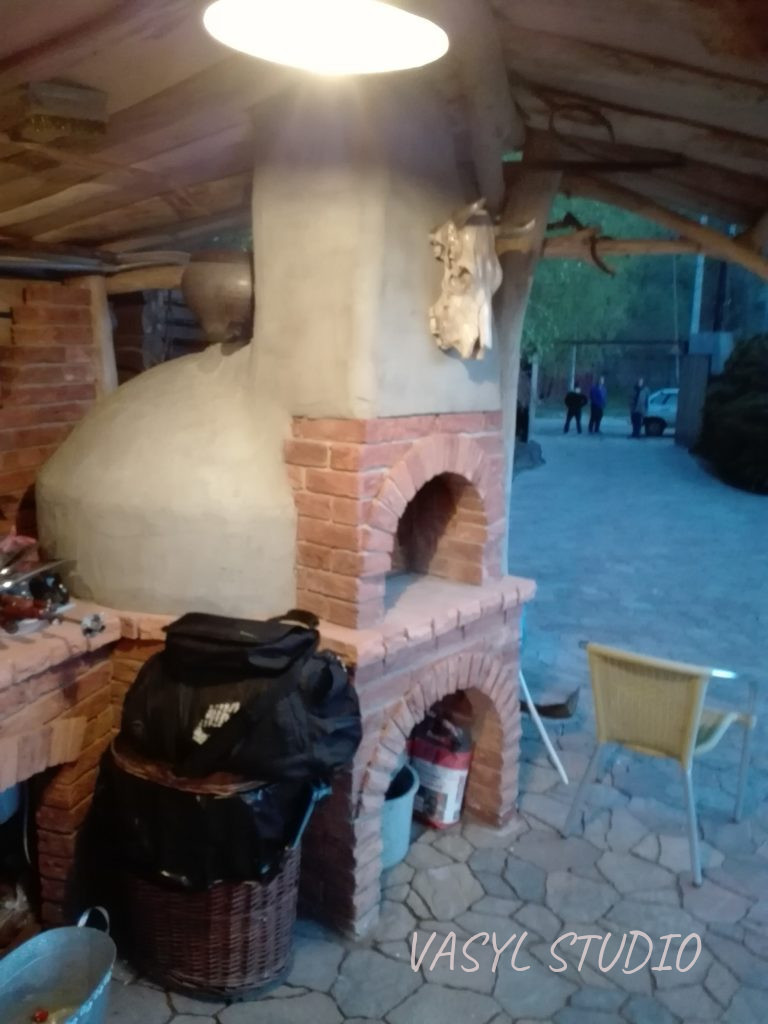
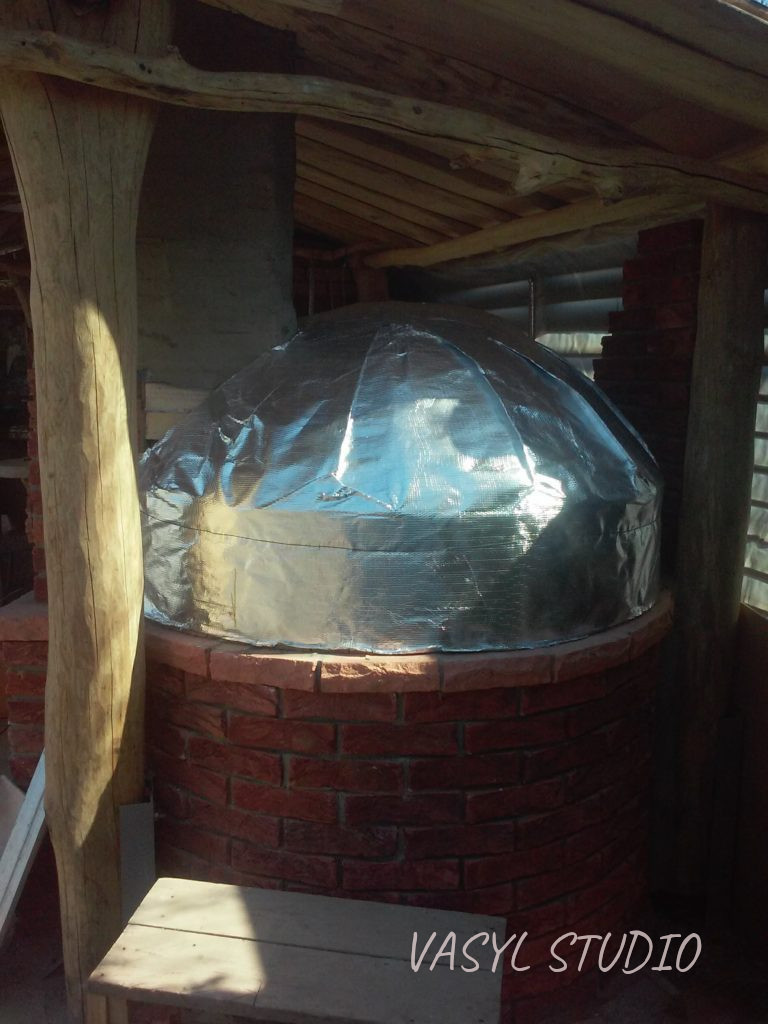
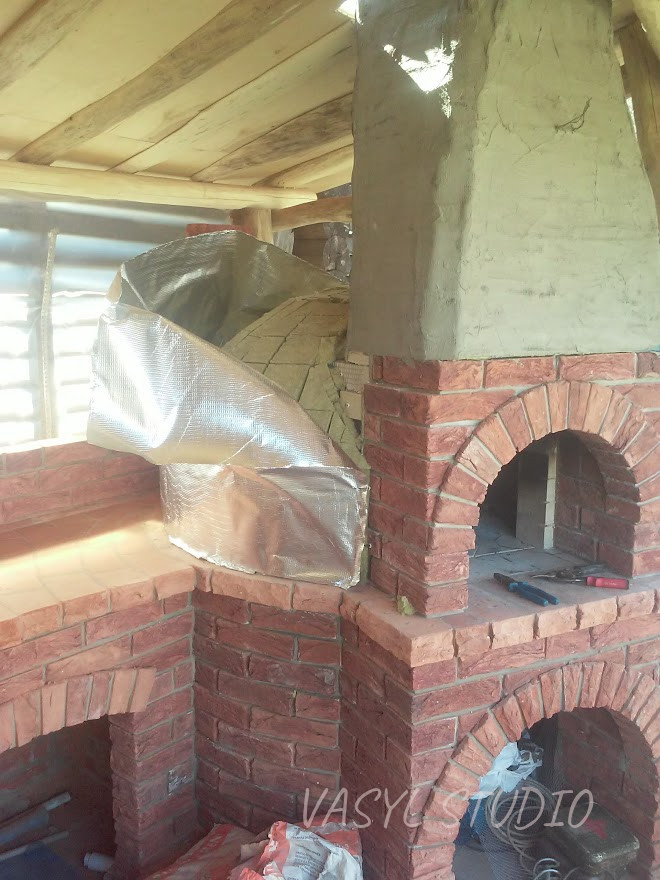
The complex includes several fully functional stove elements, each designed for its own purpose.
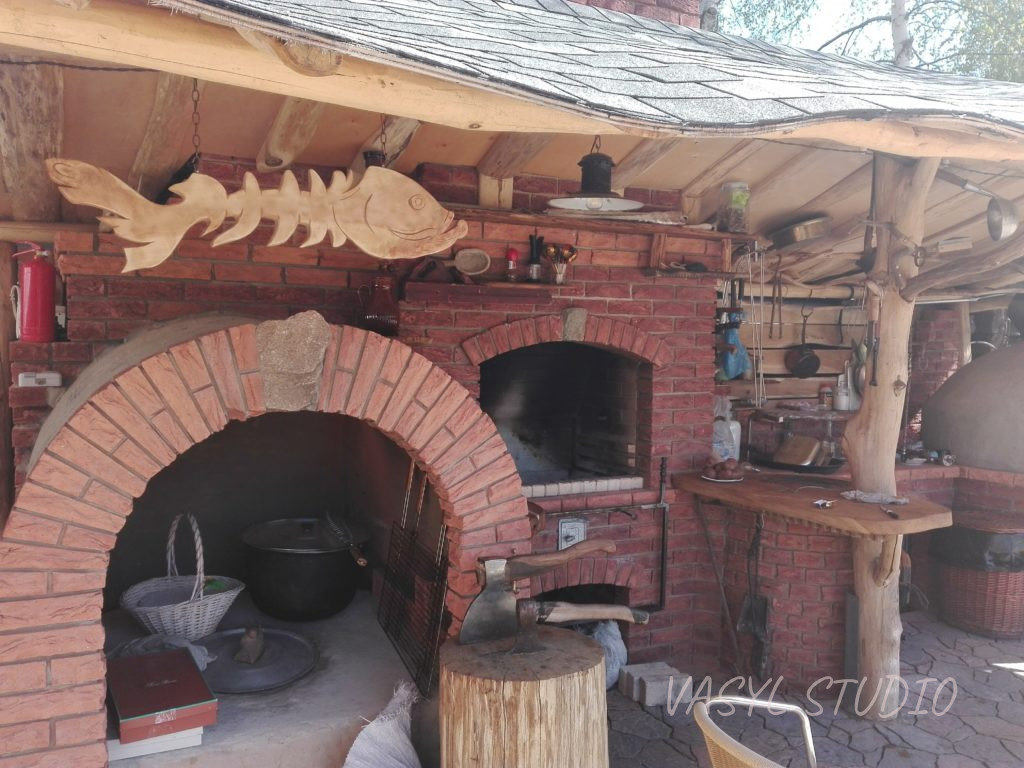
The Uzbek tandoor is intended for baking fragrant flatbreads and preparing traditional Eastern dishes.
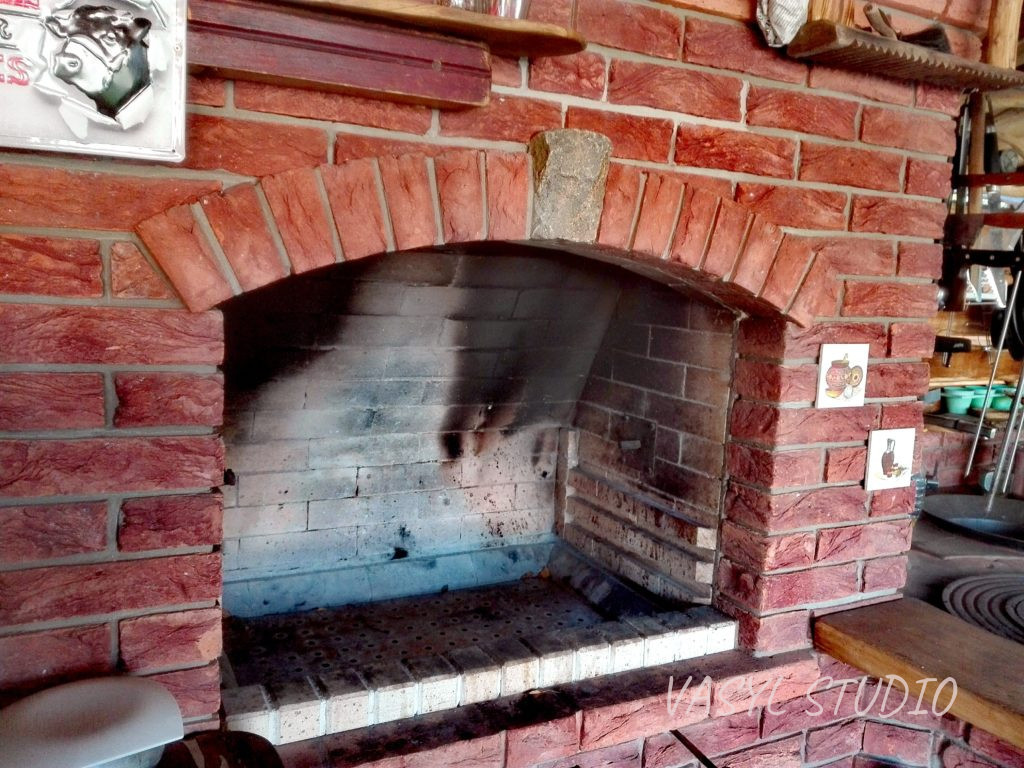
The fireplace grill is designed for шашлык, barbecue, and cooking over open heat.
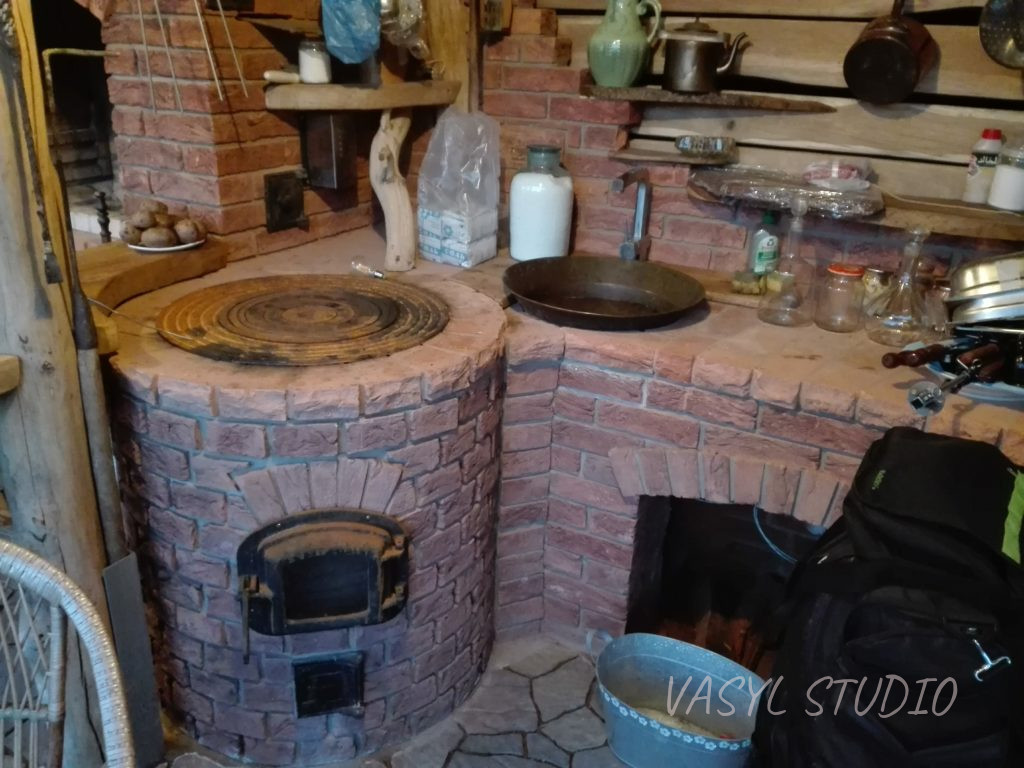
The kazan stove was specially developed for preparing plov, shurpa, and other dishes that require a specific temperature regime.
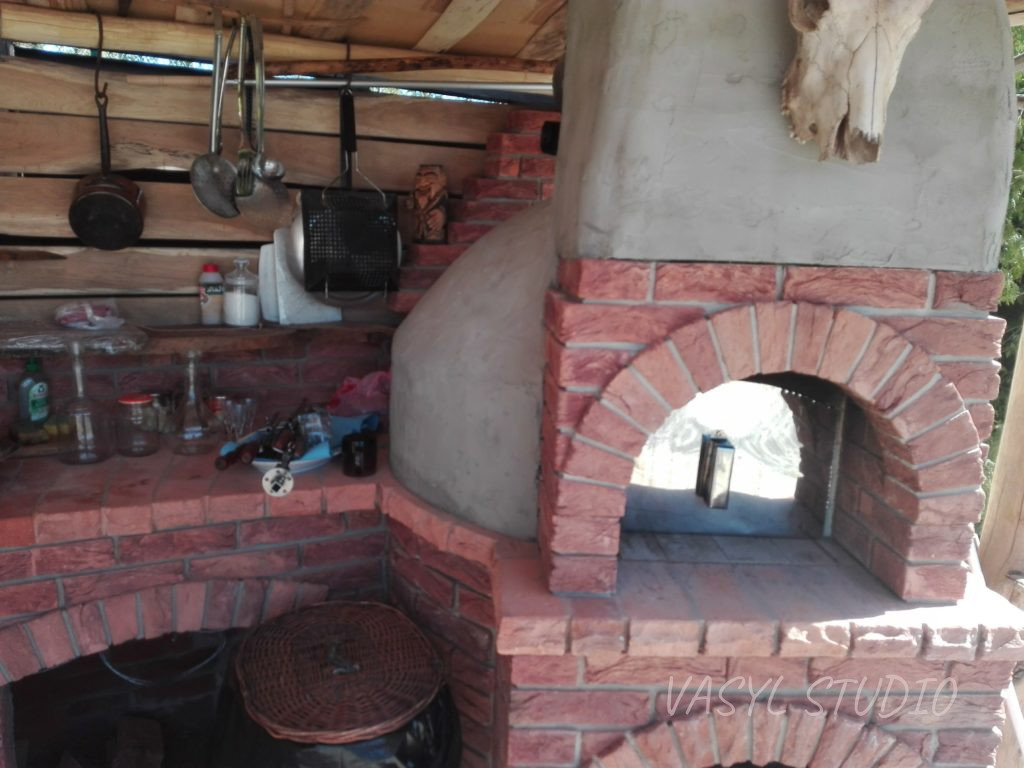
The pizza oven makes the entire complex especially versatile: it can be used not only for pizza, but also for baking bread, roasting meat, and preparing a wide variety of baked dishes.
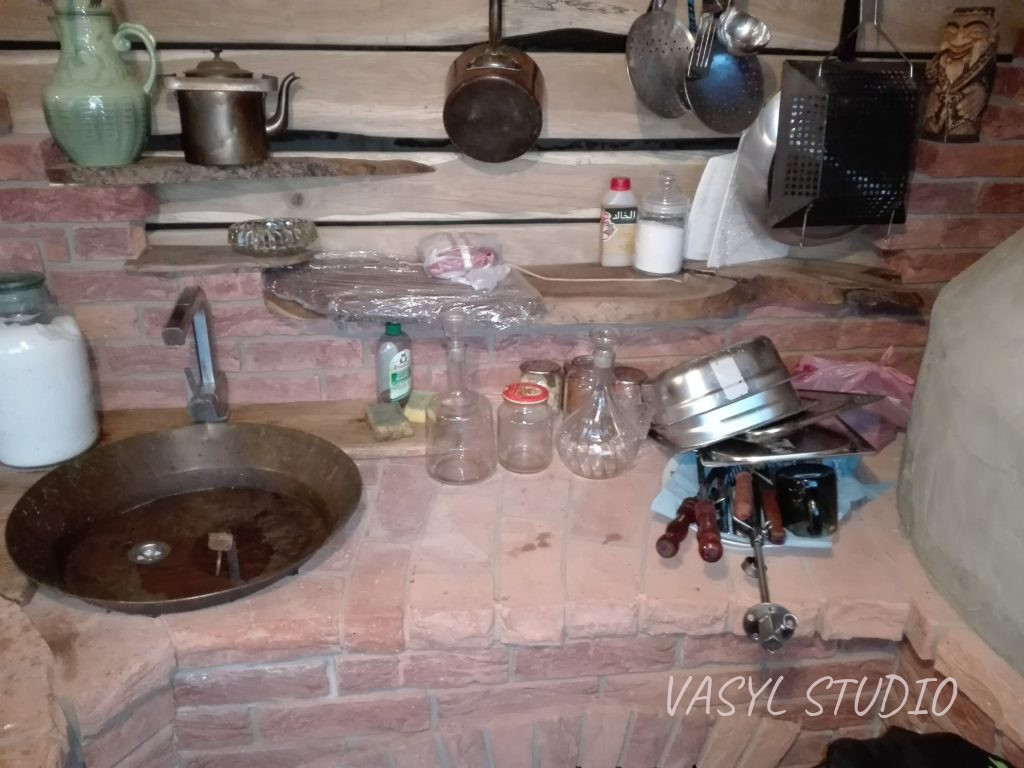
In addition, the complex includes a sink for washing dishes and food products, as well as a gas cooker for quickly reheating meals prepared in advance.
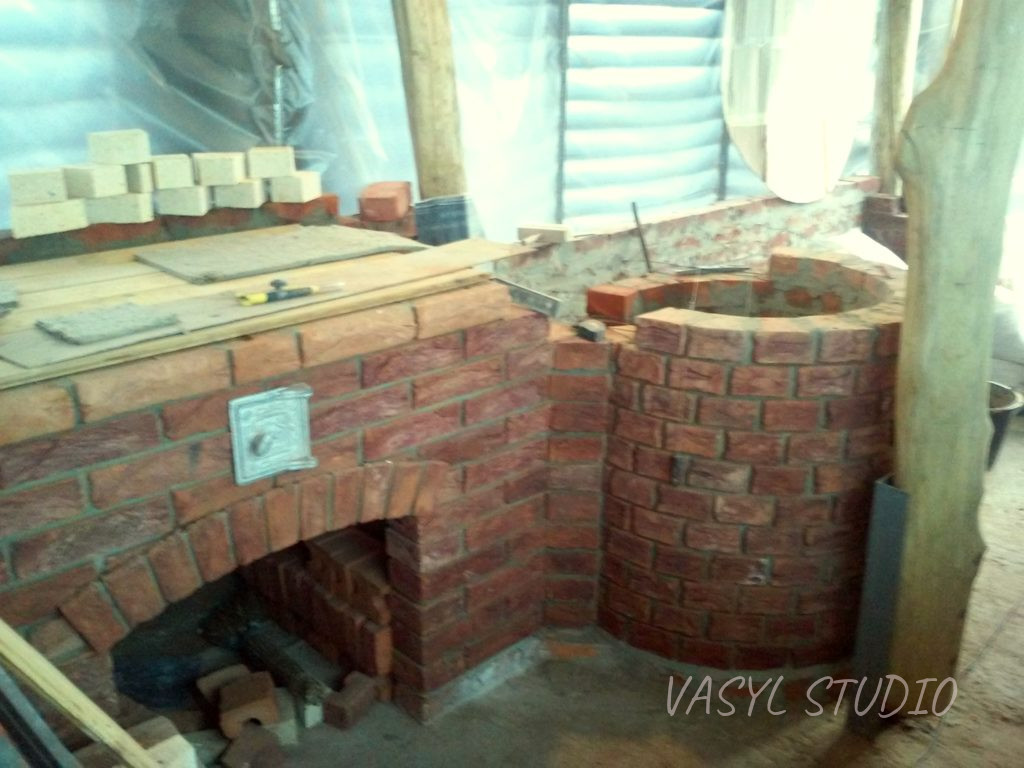
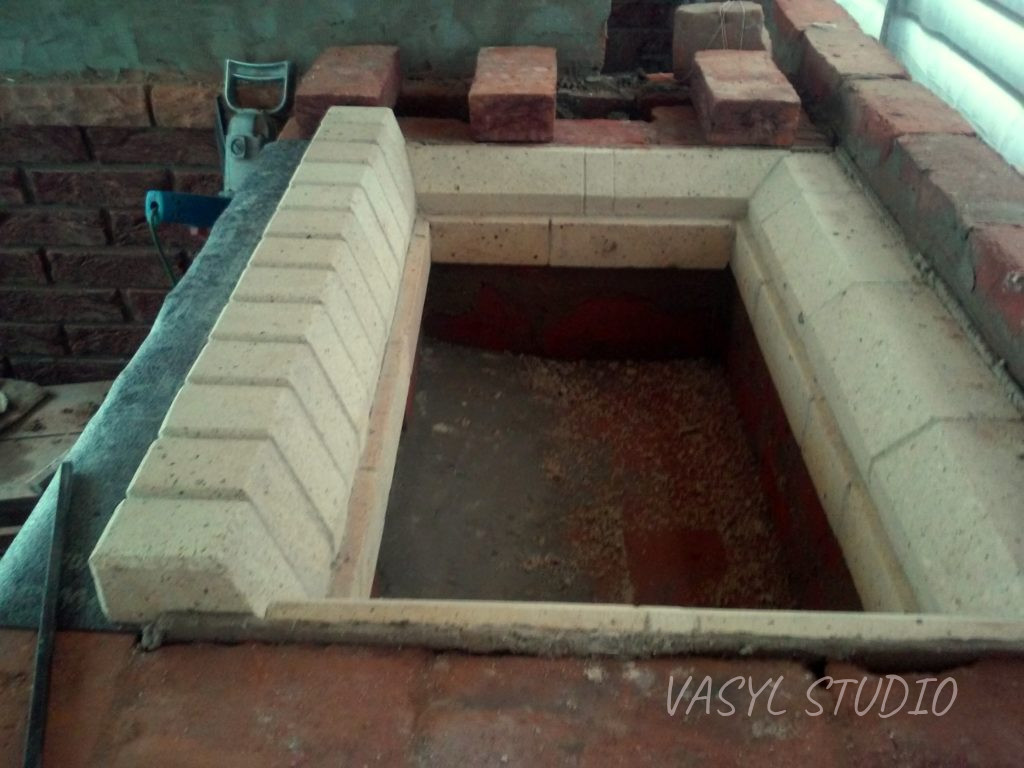
The complex was built using handmade facing brick called “Yekaterynoslavskyi.” Its expressive texture, warm material character, and natural surface depth harmonize beautifully with the Ukrainian style of the entire recreation site. The inner, most heat-stressed parts of the stoves were made of high-temperature fireclay brick, while the outer surfaces were finished with decorative brick. This made it possible to combine reliability, durability, and a strong visual presence in one project.
The complex was created as an individual author’s work, with its own character, form, and atmosphere. Its appearance clearly reflects a connection to Ukrainian tradition, further emphasized by decorative mosaic inspired by Petrykivka painting. Yet despite all its artistic expressiveness, the main principle of the project remained functionality. This complex was not conceived as a decorative backdrop, but as a fully working installation capable of supporting the preparation of a wide variety of dishes from different culinary traditions.
The design and construction of the entire complex were carried out by me personally over the course of several months. The work was done thoughtfully and without haste, because in projects like this, my highest priorities are always quality, reliability, and the individuality of the final solution.