
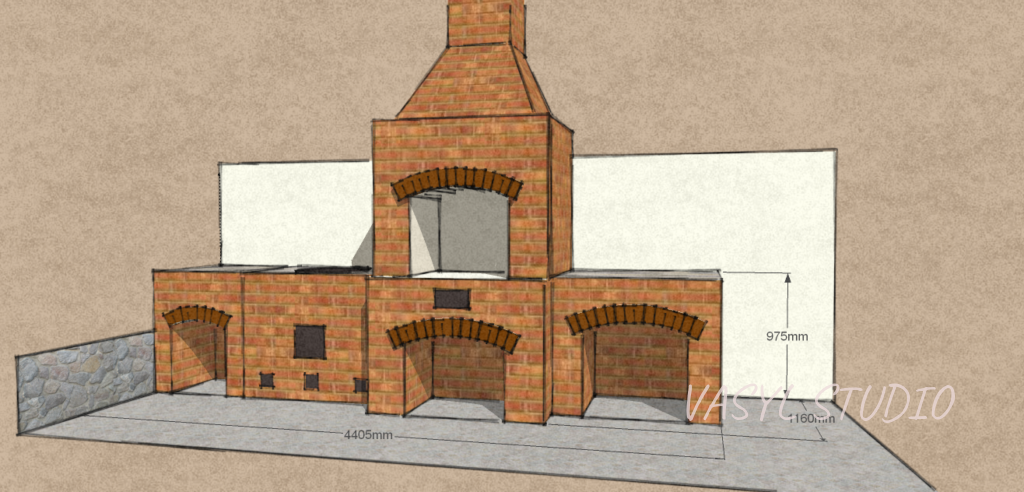
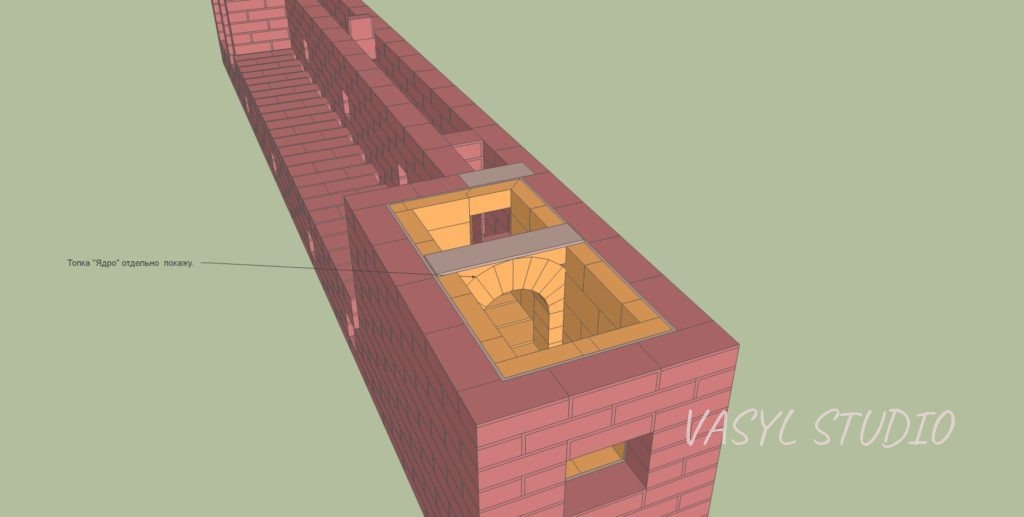
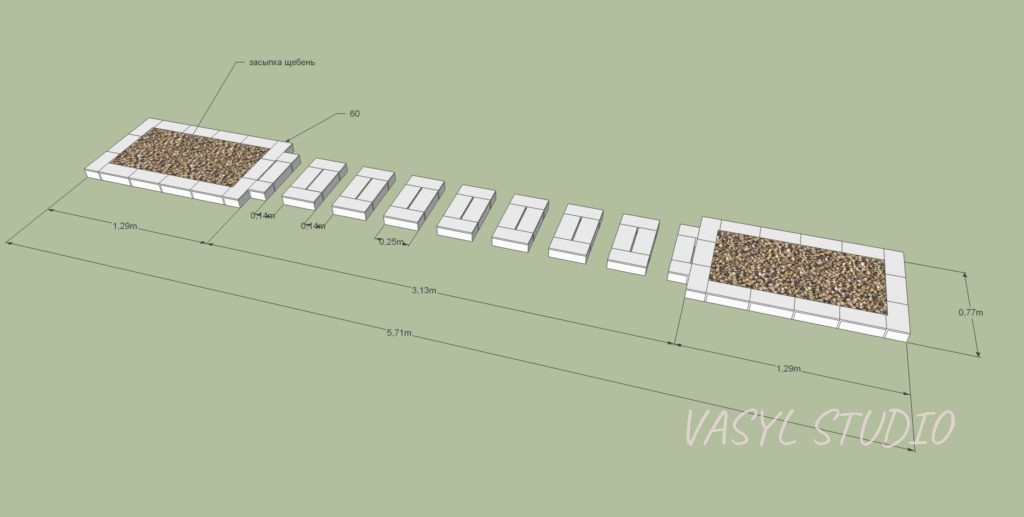
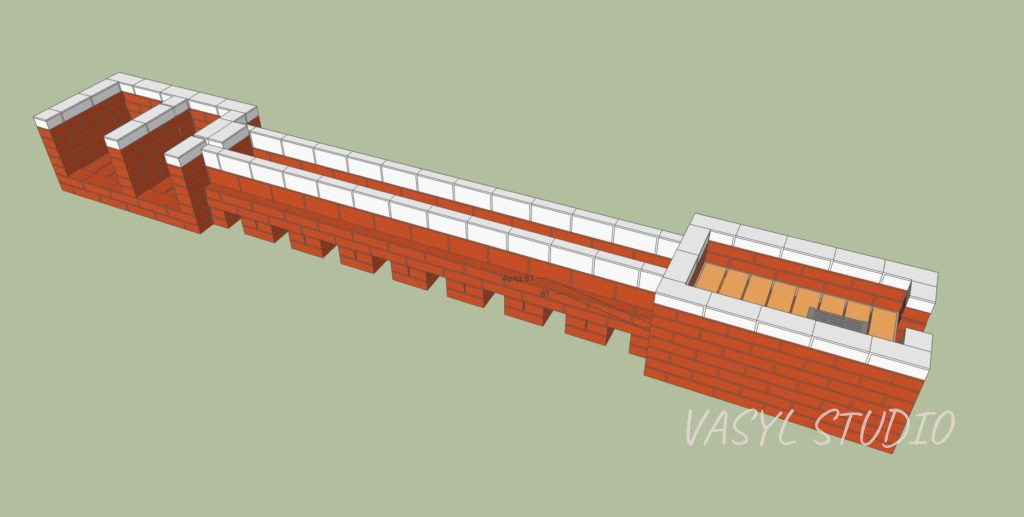
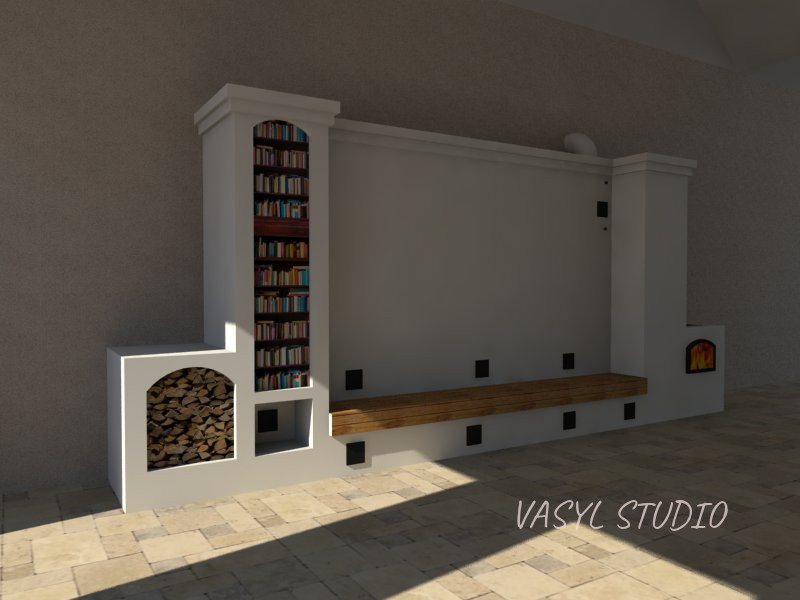
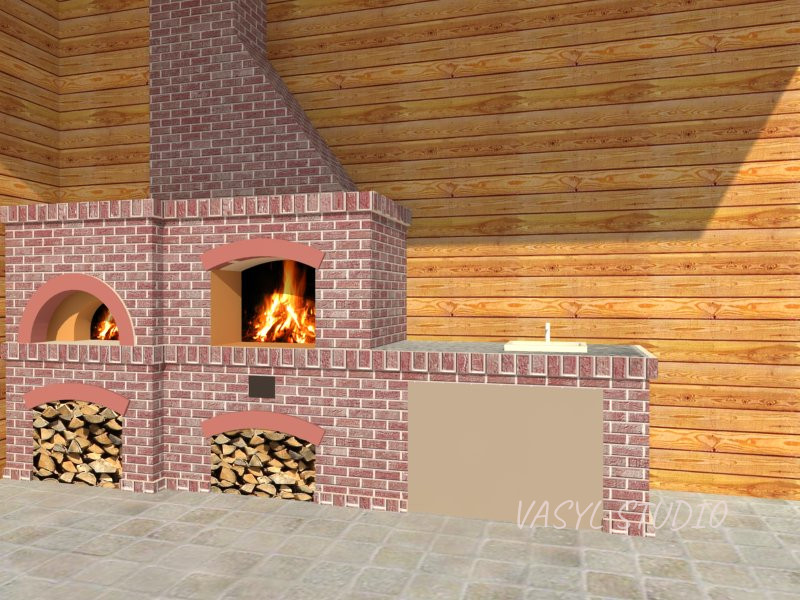
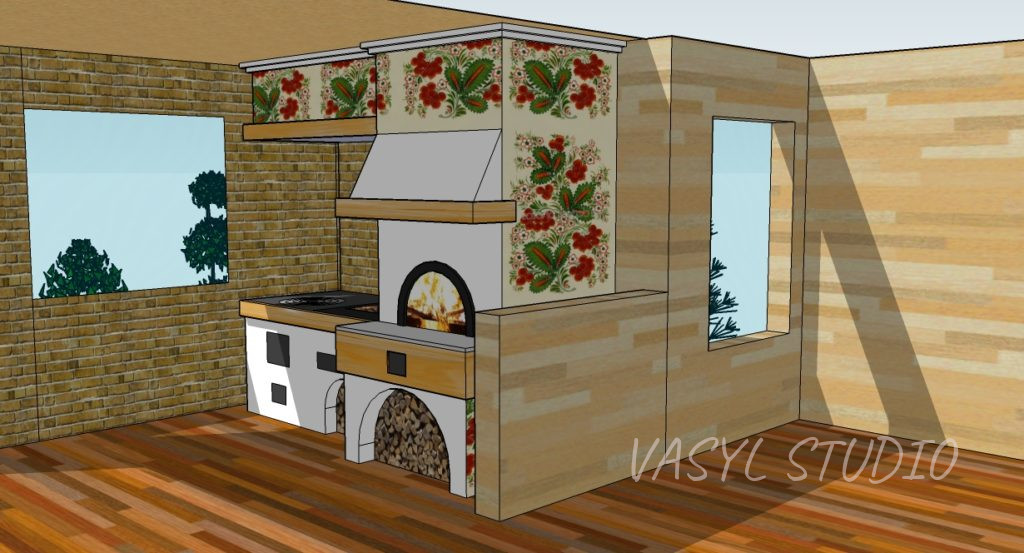
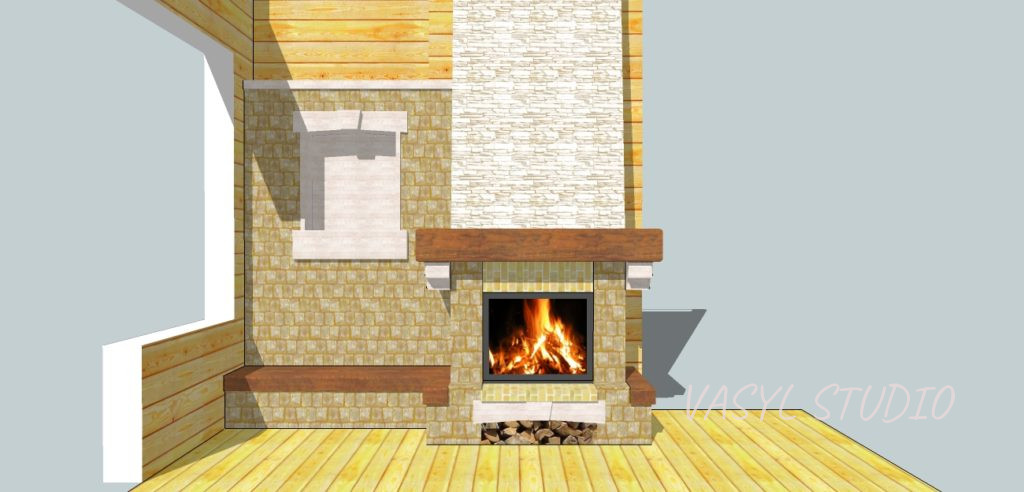
Before the era of personal computers, the entire design and planning process was done by hand. Everything was created on paper — using paints, drafting tools, and a great deal of careful, almost delicate manual work. Creating a project required not only experience and knowledge, but also a significant amount of time.
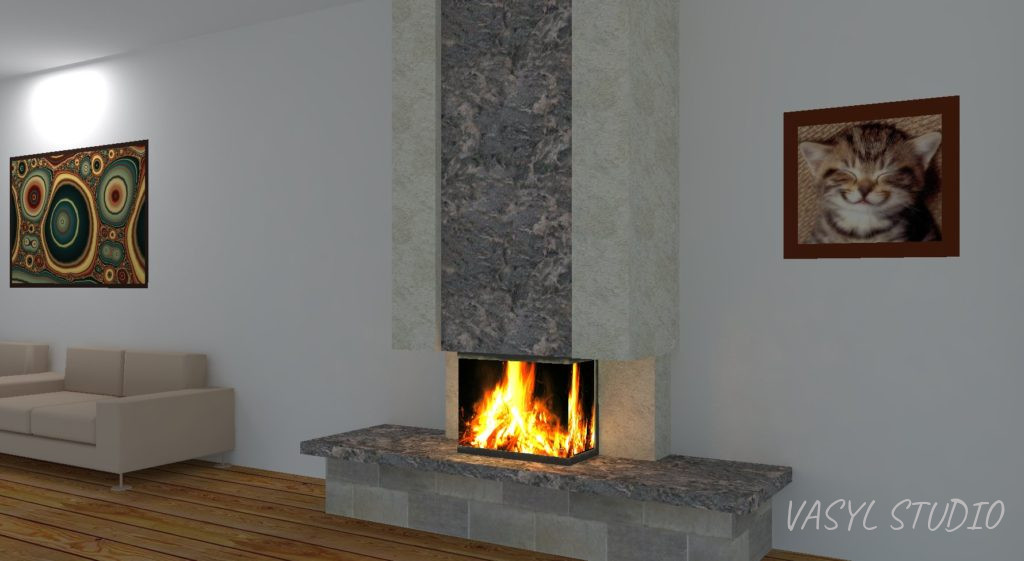
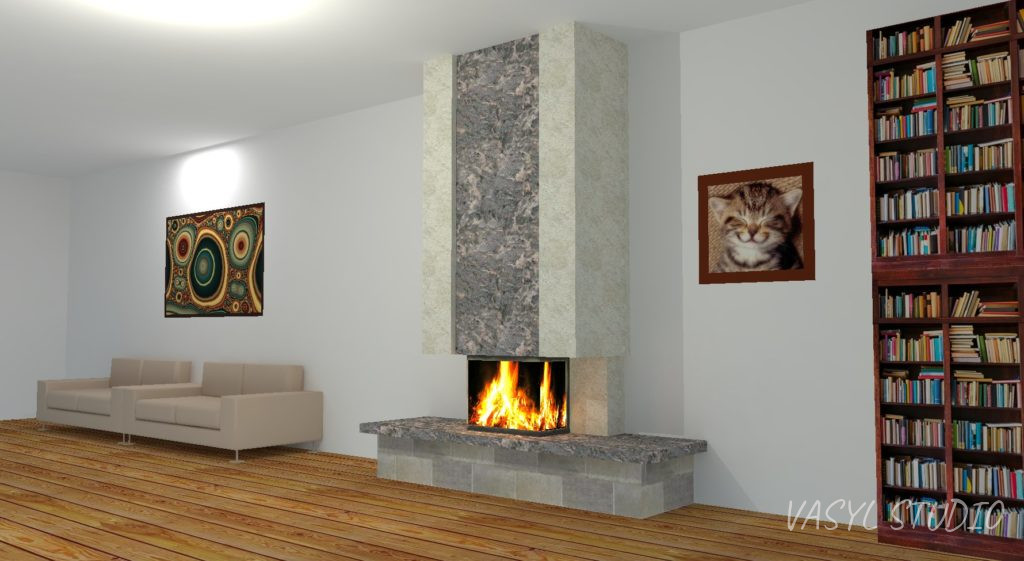
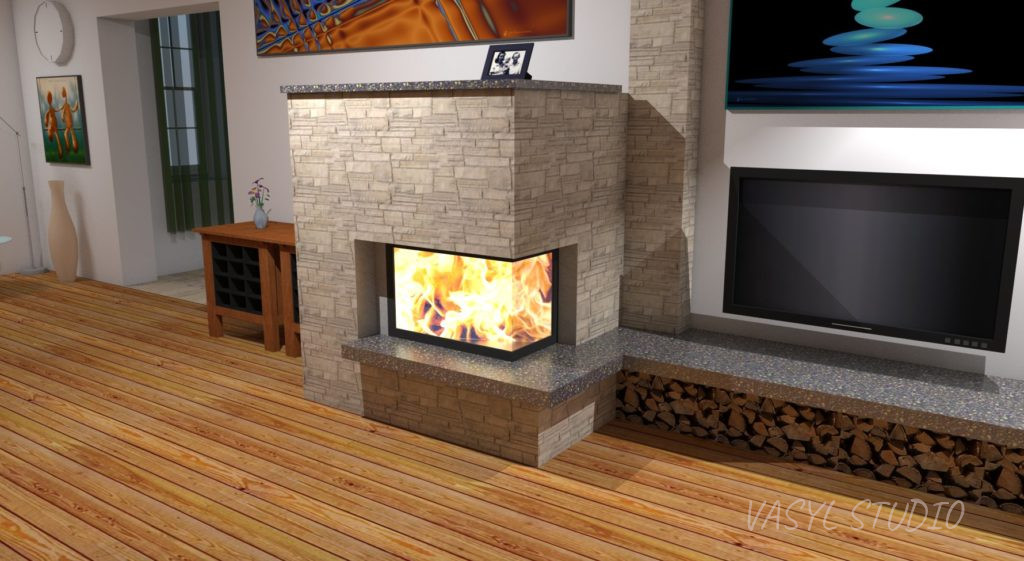
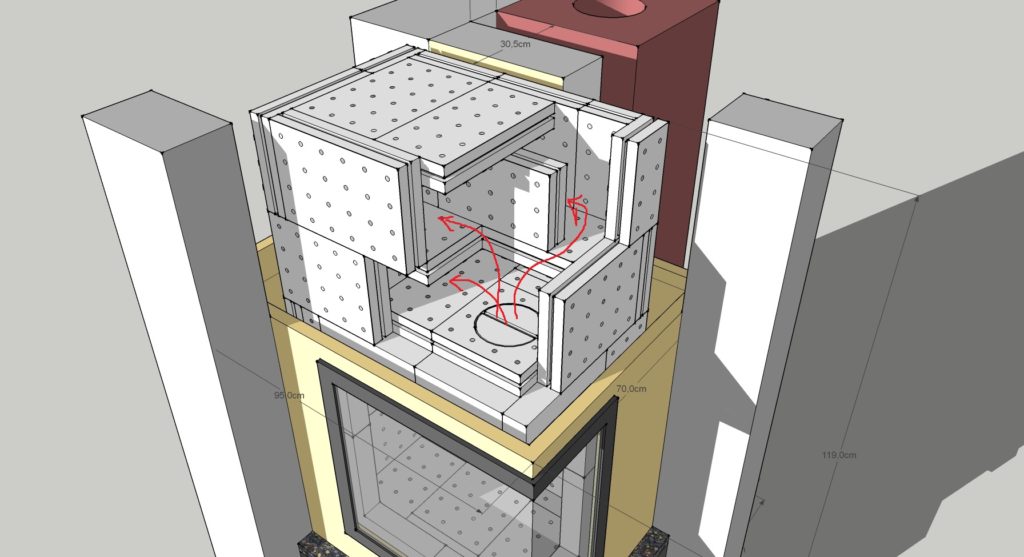
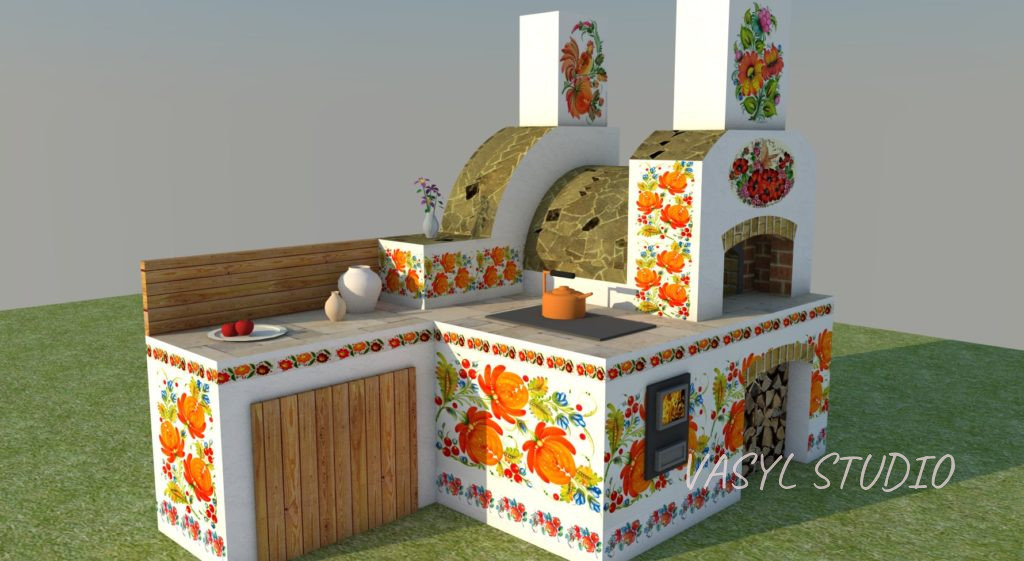
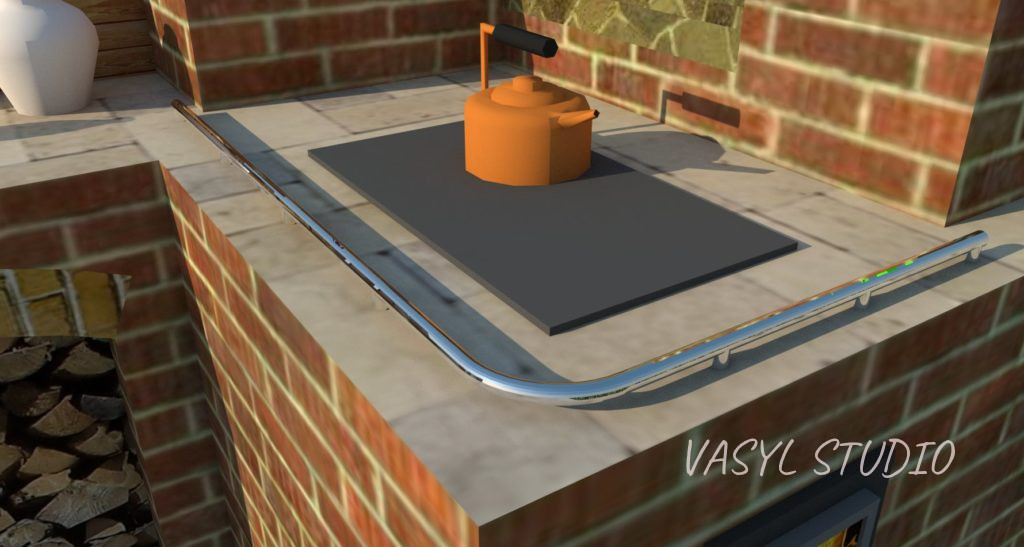
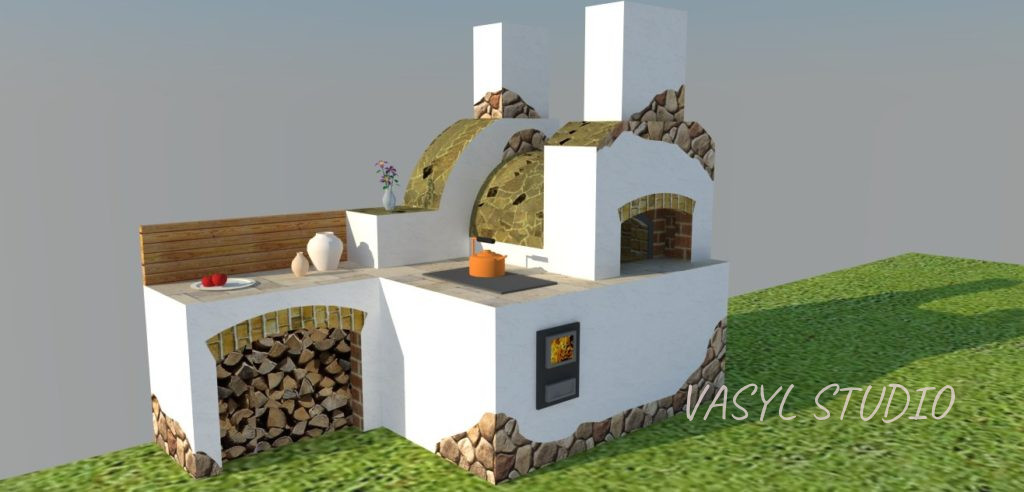
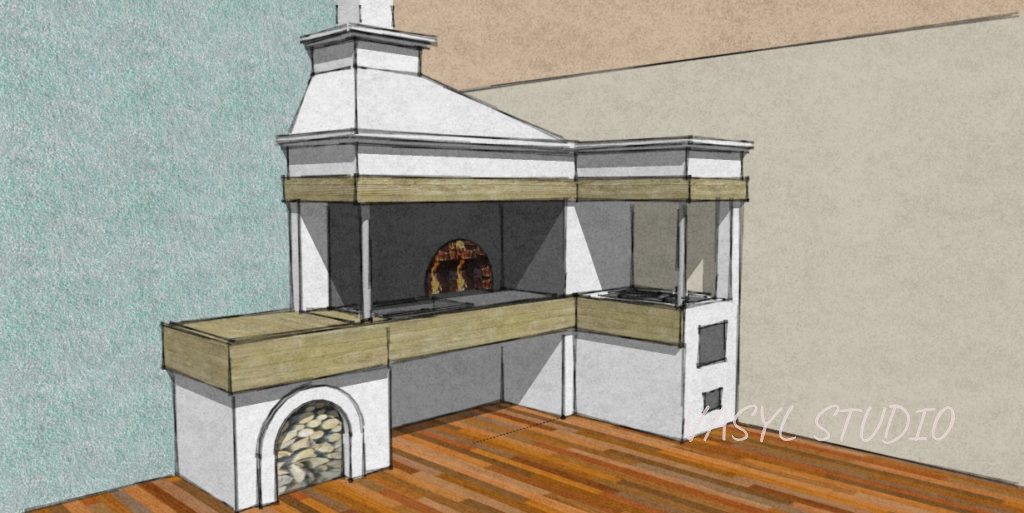
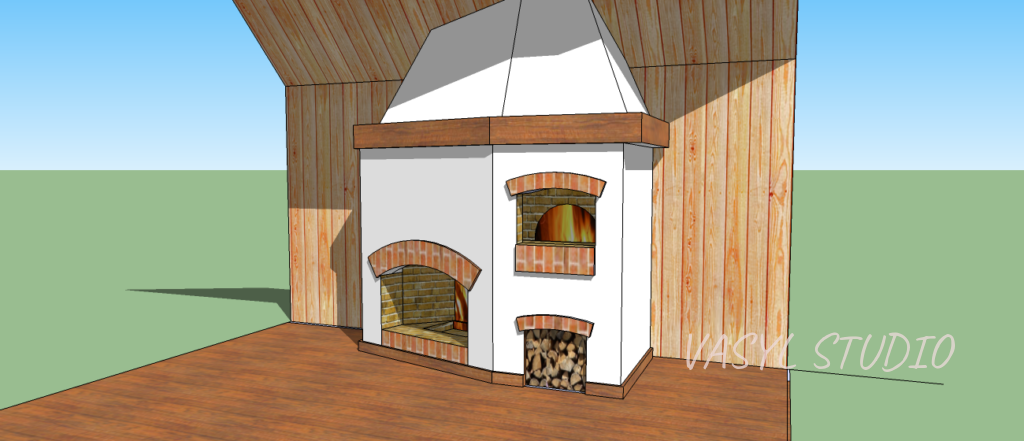
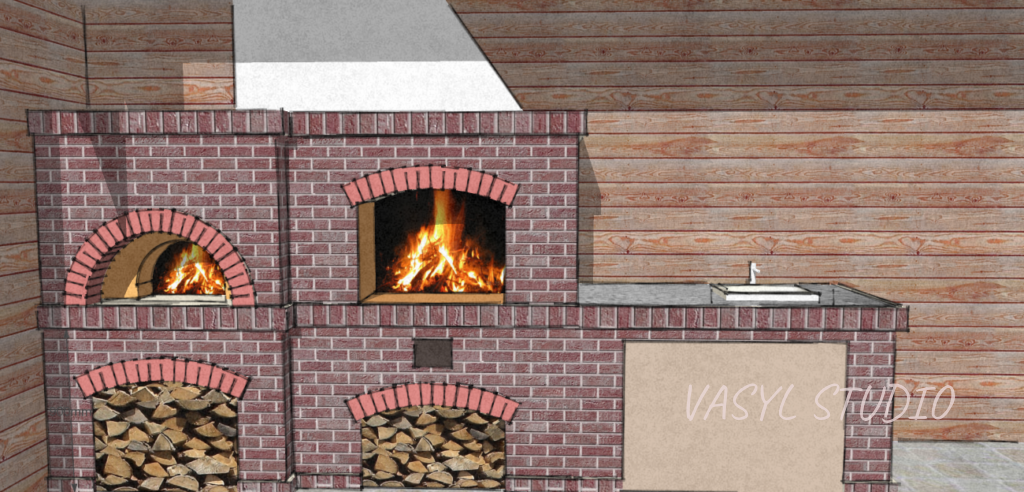
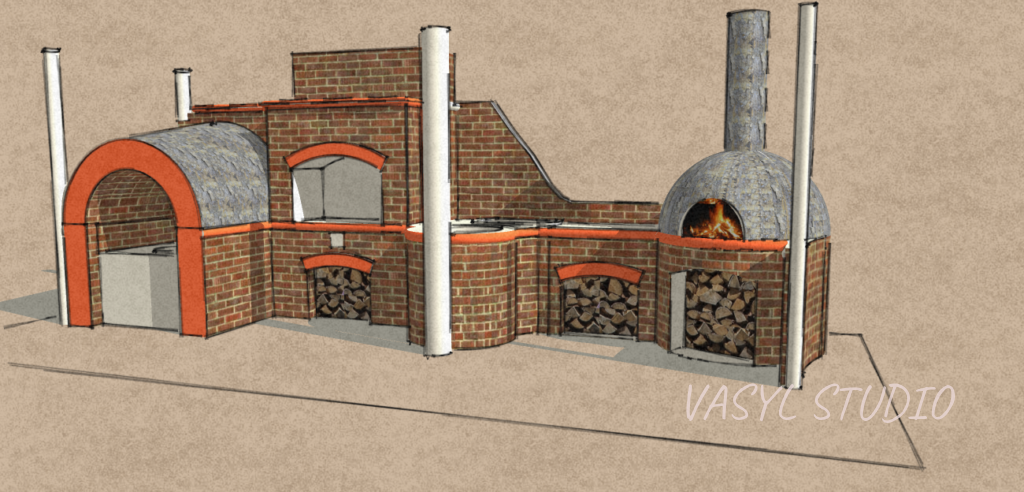
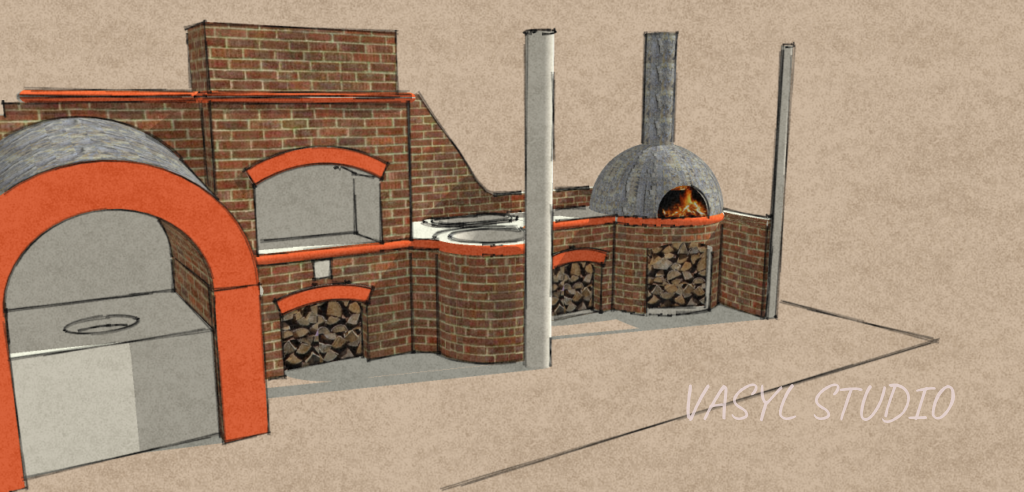
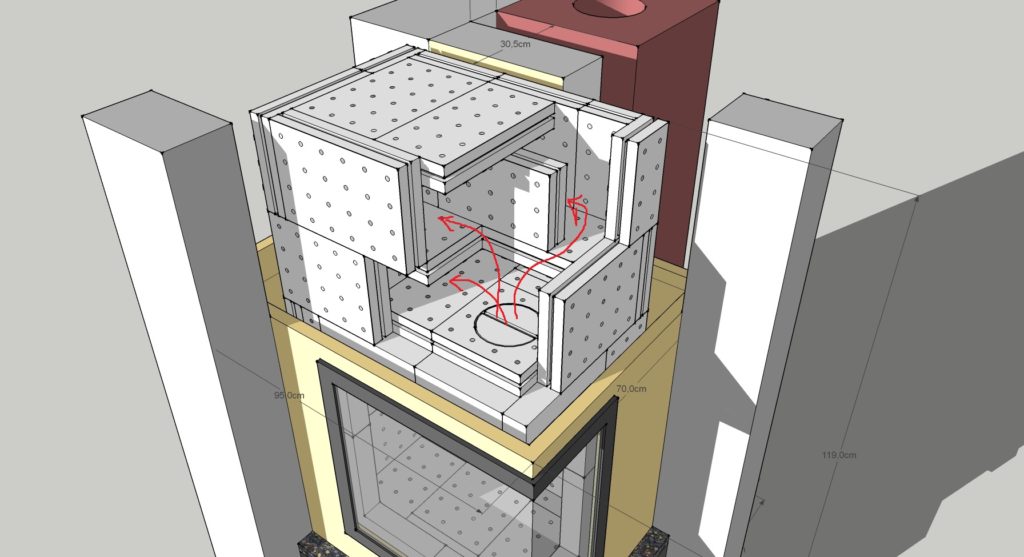
With the arrival of computers, the possibilities of design expanded considerably, and the whole process became faster, more precise, and more visual. The first graphic program I began using was SketchUp. For stove design, it proved to be especially practical: it allowed me not only to create the overall shape of a future stove, but also to work out the brick courses in detail — each individual row of masonry — and then turn that into a proper drawing. In essence, every single brick could first be laid virtually, even before the actual construction began.
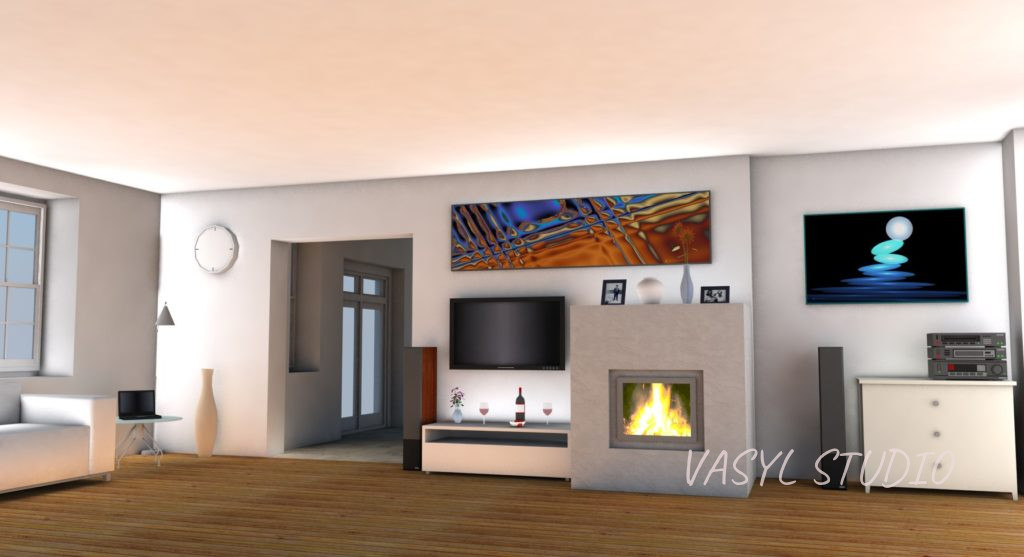
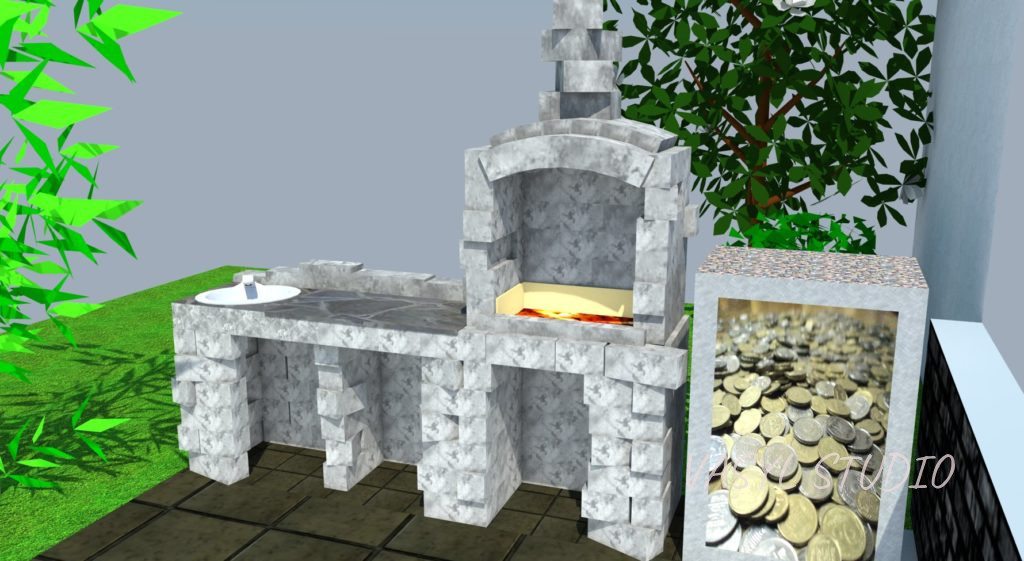
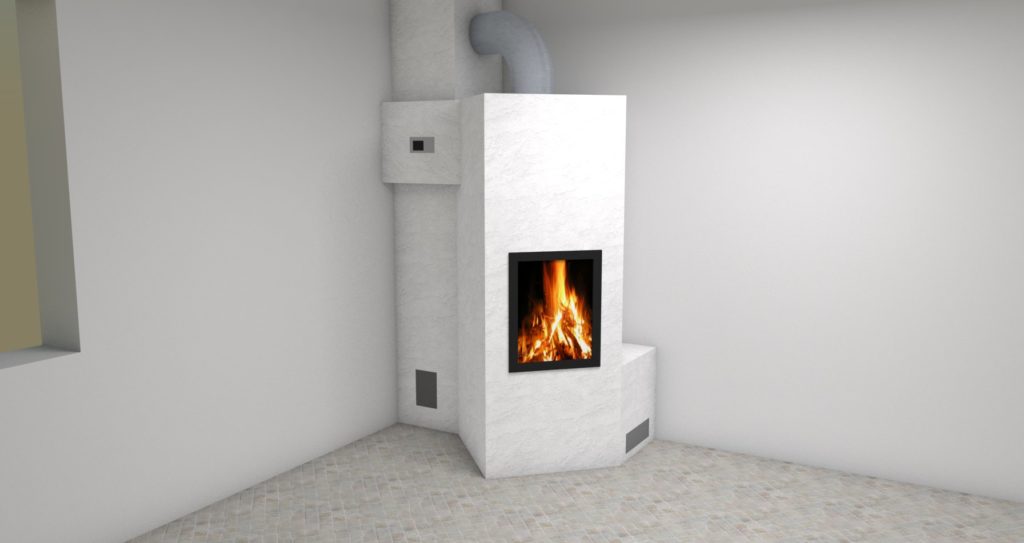
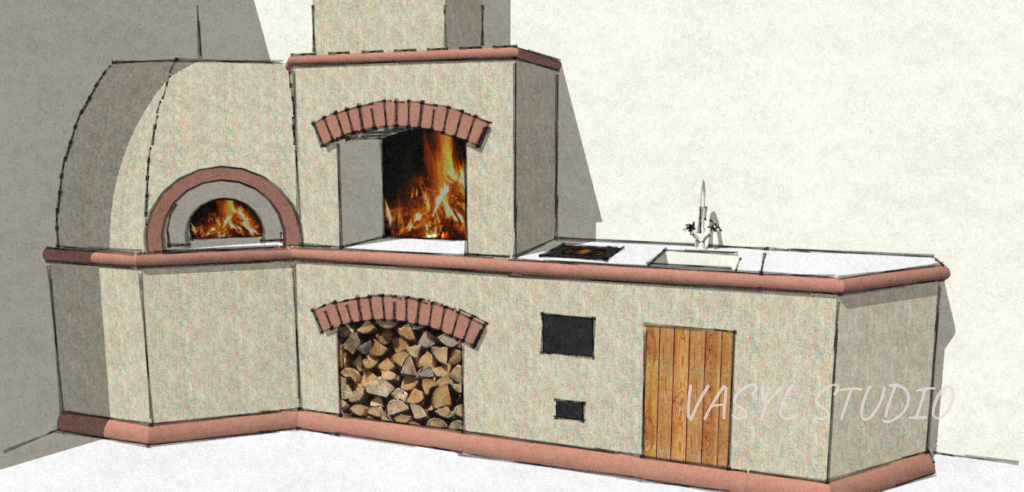
At that time, SketchUp had a simple but quite capable visualization system based on styles. Later, its capabilities were greatly expanded with the introduction of V-Ray. This extension made it possible to work with light, shadows, highlights, and materials, which made project visualizations far more realistic and expressive.
Over time, I also explored other programs such as AutoCAD, Onshape, and Blender. Each of them has its own strengths and advantages. In practice, however, I came to the conclusion that many of these tools are too complex for stove design and are primarily intended for mechanical engineering, industrial design, or technical product development. In my work, not only precision and functionality matter, but also clarity, speed, and the ability to think about form and construction at the same time.
That is why I ultimately chose SketchUp as the most universal and suitable tool for my work. Today, with the development of artificial intelligence, I am looking even further ahead: I plan to create my own digital assistant that will support me in planning, design, and the preparation of stove construction drawings. This is the next step — from manual work to digital modeling, and from digital modeling to intelligent support for the creative and technical process.
To be honest, technology changes, but the essence of the work remains the same: a good stove still begins not with a button, but with an idea.